El poderoso artista de afrobeat Seun Kuti y Egypt 80 se unen a Kamasi Washington, POS de De La Soul, Adi Oasis, Alborosie y otros en la edición de lujo de Heavier Yet (Lays The Crownless Head)
Originalmente lanzado en octubre de 2024 y producido por Lenny Kravitz, el álbum marcó un poderoso regreso para Seun, un artista profundamente arraigado en el legado de su padre, Fela Kuti, pero plenamente comprometido con el presente. Con la Edición Deluxe, Seun expande el alcance sonoro y político del álbum original, presentando una atractiva colección de remezclas, versiones renovadas y nuevas colaboraciones que aportan perspectivas frescas a su mensaje de resistencia, empoderamiento y orgullo cultural. Entre las colaboraciones estelares se incluyen la del nuevo gigante del jazz Kamasi Washington en «Move», la diosa caribeña francesa Adi Oasis en «Love & Revolution», la estrella del reggae Alborosie en «T.O.P.», el rapero y poeta revolucionario zambiano Sampa The Great en «Emi Aluta», el legendario POS de De La Soul en «Stand Well Well» y el dúo británico Gaudi & Don Letts en el remix disco dub de «Dey».
Con esta Edición Deluxe, Seun Kuti & Egypt 80 reafirman su compromiso con el afrobeat como fuerza musical y vehículo de cambio. Estas nuevas versiones insuflan nueva vida a «Heavier Yet», invitando a los oyentes a experimentar el álbum no solo como un disco, sino como un movimiento vivo y en constante evolución.
CD 1
01. Seun Kuti, Egypt 80 - T.O.P. (7:24)
02. Damian Marley, Seun Kuti, Egypt 80 - Dey (5:43)
03. Seun Kuti, Egypt 80 - Stand Well Well (5:53)
04. Seun Kuti, Egypt 80, Sampa the Great - Emi Aluta (8:43)
05. Seun Kuti, Egypt 80 - Love & Revolution (8:36)
06. Seun Kuti, Egypt 80 - Move (5:47)
CD 2
01. Alborosie, Seun Kuti, Egypt 80 - T.O.P. (Over The Top Version) (3:15)
02. Damian Marley, Seun Kuti, Egypt 80 - Dey (Gaudi & Don Letts Remix) (4:28)
03. De La Soul, Seun Kuti, Egypt 80 - Stand Well Well (Grand Stand Version) (3:57)
04. Seun Kuti, Sampa the Great, Egypt 80 - Emi Aluta (Zamrock Remix) (3:29)
05. Seun Kuti, Egypt 80, Adi Oasis - Love & Revolution (Cinnamon Version) (3:34)
06. Seun Kuti, Egypt 80, Kamasi Washington - Move (Keep Moving Version) (5:47)
Agrim Agadez es una recopilación de grabaciones de campo contemporáneas de música de guitarra del imperio saheliano de Níger. Centrándose en la música de la guitarra en todo el país, desde baladas de estrellas de meditación, borrosas cubiertas de Hendrix, bandas de boda de trapo, a los guitarristas folk políticos. Una hermosa encapsulación de la diversidad de la guitarra tal como existe hoy, registrada durante años de viajes.
Como la mayor parte del Sahel, la guitarra se encuentra en todos los rincones de Níger. Ya sean acústicas, eléctricas, o construidas a mano, las guitarras son posesiones muy preciadas y siguen inspirando. Cada rincón de Níger tiene lenguas, costumbres y culturas particulares, y cada rincón ha tomado el instrumento y lo ha transformado de una manera especial: de las bandas de bar de la tierra del Hausa del sur, pastoral pastoral con autodidactos de la aldea, Músicos, a los guitarristas folk políticos.
Agrim Agadez sigue los sonidos escuchados tocando en casetes, buscando a los legendarios héroes locales en sus ciudades natales, y tropezando con los músicos en encuentros accidentales. El récord resultante es un documento de la guitarra como se ha oído, experimentado en los estudios al aire libre de Níger con un solo micrófono - con telones de fondo de las voces de los niños, los grillos, y el ambiente del pueblo.
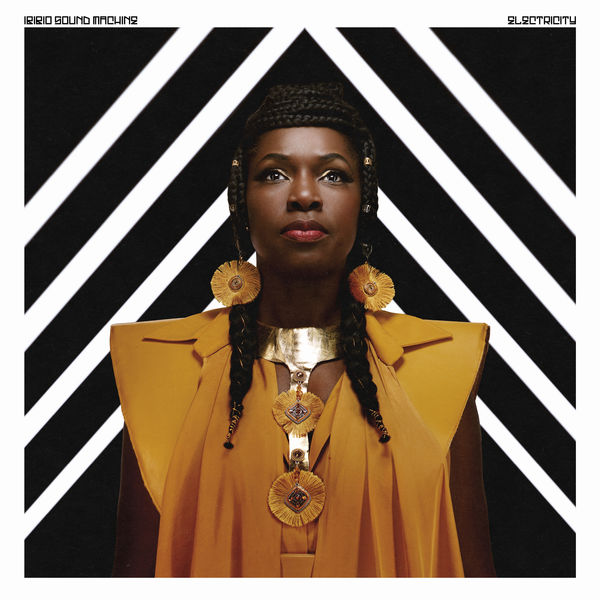
El cuarto disco de los londinenses Ibibio Sound Machine, "Electricity", es un trabajo abierto a todo el mundo que suena como Grace Jones al frente de un combo afrobeat producido por Hot Chip. Esto último es totalmente cierto y la mano del grupo británico de synthpop se hace notar desde el principio, con esa línea de sintetizador tocada por Al Doyle en la irresistible "Protection From Evil", la canción que abre con fuerza este notable trabajo.
Pero la presencia de Hot Chip no les quita ni un ápice de individualidad a este colectivo, pocas bandas existen que sepan combinar con tanta fluidez y naturalidad estilos como ellos, el soul se mezcla con el afrobeat y el funk con el electropop igual que, en las letras, el inglés y el ibibio, la lengua materna de la cantante londinense, pero criada en Nigeria, Eno Williams.
Hay guiños a la música disco, al dub, al house o a ese genio llamado Prince, como en la canción titular, pero todo este híbrido está perfectamente aliñado por la tremenda personalidad de esta banda que ha entregado su mejor disco hasta la fecha, uno en el que han sabido combinar a la perfección sus orígenes en el funk africano de Nigeria y Camerun, combinándolos con toques de electrónica, sin olvidar la melodía. a pesar de que el ritmo sigue siendo el protagonista.https://www.mondosonoro.com/criticas/discos-musica/ibibio-sound-machine-electricity/
1.
Protection From Evil 04:36
2.
Electricity 04:47
3.
Casio (Yak Nda Nda) 03:55
4.
Afo Ken Doko Mien 04:50
5.
All That You Want 04:37
6.
Wanna See Your Face Again 04:26
7.
17 18 19 03:07
8.
Truth No Lie 03:51
9.
Oyoyo 03:01
10.
Something We'll Remember 04:09
11.
Almost Flying 04:07
12.
Freedom 02:54
Grupo nigeriano de los 80. Este disco fue grabado en 1983,ripeado del vinilo original. El audio no es muy bueno , pero es un clasico de la música Highlife, Soukous.
Espero que lo disfruteis , es dificil de encontrar información del grupo
A1 Odumegwu Ojukwu Special
A2 Oba Si Na Chi
B1 Saku Show Highlife
B2 Ejike Eme Uwa
Fela Anikulapo Kuti (Abeokuta, 15 de octubre de 1938-Lagos, 2 de agosto de 1997) fue un multiinstrumentista y cantautor, político y activista de los derechos humanos nigeriano.
Creó el afrobeat, género que supuso una influencia enorme en las décadas de los 70 a los 90, y que consistía en una fusión de varios géneros como el jazz, el blues y el funk.
Es considerado uno de los músicos más importantes del continente africano y un ícono para Nigeria, siendo el músico más famoso nacido en ese país.Su canción "Zombie" figura en la lista de las 100 mejores canciones de la revista Time.
Durante su vida tuvo que declarar 356 veces frente a un tribunal de justicia y fue detenido y encarcelado por la policía 4 veces. Falleció en 1997 por complicaciones derivadas del SIDA.56
Entre sus hijos están los músicos Femi Kuti y Seun Kuti.
1-1 Lady 13:50
1-2 Shakara 13:26
1-3 Gentleman (Edit Version) 11:00
1-4 Water No Get Enemy (Edit Version) 9:50
1-5 Zombie 12:24
1-6 Sorrow, Tears, & Blood 10:16
1-7 No Agreement (Part 2) 7:53
2-1 Roforofo Fight 15:37
2-2 Shuffering And Shmiling (Part 2) 12:20
2-3 Coffin For Head Of State (Part 2) 13:19
2-4 ITT (Part 2) 13:41
2-5 Army Arrangement (Part 2) 17:00
2-6 ODOO (Edit Version) 6:53
Eboa Moukouri & His Super Dada Orchestra. An outfit with the unlikely name of Billy Records re-released quite a few of his records as downloads last year, but have not provided any information about the Great Man.
1.Billy Records
2.You Go Tire Because Of Money
3.Bolo Bolo Bolo Bolo
Nigeria 70 starts with Monomono's "Loma Da Nigbehin", where the groove is stepped up, the rhythm guitar emphasized, the percussion denser yet livelier, the horn and organ solos heavier-- all developments created in the wake of Fela's revolution in militant funk. Afrobeat in that familiar vein is widely covered here, both inside and outside of the Kalakuta Republic. Two of Fela's greatest Africa '70-era recordings appear in "Upside Down" and "Jeun Ko Ku (Chop 'n' Quench)", while Afrobeat's rhythmic architect and Africa '70 alumnus Tony Allen is represented by his glimmering 1980 recording "No Discrimination". And many of the highlights from less-famous musicians-- Peter King's "Shango"; Orlando Julius Ekemode's "Alo Mi Alo"; Afro Cult Foundation's "The Quest"-- take Kuti's sounds and tweak them playfully until they become a bit more concise or abstract.
Trending NowThe One Song Devendra Banhart Wishes He Wrote
But what makes Nigeria 70 particularly compelling is its sonic diversity. Anyone expecting two and a half hours of music that sounds directly informed by Fela might be surprised to find out just how many musicians saw his music as a starting point than the sum of their sound. There's nods to psychedelic rock, both heavily fuzzed-out (Ofo & the Black Company's stomping, wailing "Allah Wakbarr") and Deadhead-friendly mellow (BLO's eerily beautiful reverie "Chant to Mother Earth"). A few forays into the late 1970s and early 80s note a disco influence that informs cuts like Joni Haastrup's 1977 song "Greetings" and Shina Williams & His African Percussionists' 1984 electro-funk workout "Agboju Logun" without removing their Afrobeat backbone. And if you're wondering how Parliament-Funkadelic was received in Nigeria, William Onyeabor's 1978 anti-imperialist synthesizer opus "Better Change Your Mind" is an intriguing hint. You could while away some time trying to figure out just how much or how little of it came from black music in America, and how much of black music in America actually owed to these sounds in the first place-- as cross-cultural development of pop music goes, the Nigerian sound is fascinatingly tangled. And now, even after the West African reissue glut of 2008, Nigeria 70 still sounds illuminating.
Strut reprime una de las compilaciones clásicas de todos los tiempos de Afro-funk y Afrobeat para 2016, el primer volumen de la poderosa serie Nigeria 70. Lanzado originalmente en 2001, el álbum siguió a la muerte de Fela Kuti y un interés renovado en Afrobeat original entre los asistentes más jóvenes al club. Realizado durante un viaje de tres semanas a Lagos, documentó por primera vez la época explosiva en la que las bandas nacionales fusionaron el highlife tradicional y el juju con el funk, el soul, el rock y la música disco. Junto a dos cortes de Fela Kuti, Nigeria 70 destacó la increíble musicalidad de artistas como Segun Bucknor, Joni Haastrup y su banda Monomono, Orlando Julius, el saxofonista Peter King, "Guitar Boy" Victor Uwaifo, Lijadu Sisters y el estrafalario mago del teclado William Onyeabor entre muchos otros. Repartida en 3 LP, la edición original también incluyó un documental de audio de una hora con entrevistas exclusivas con muchos músicos originales y figuras de la industria de la escena de los 70, narradas por Wunmi. Además de ser un documento valioso de una era infravalorada, Nigeria 70 fue uno de los primeros álbumes cruzados en profundizar en los archivos de música africana y comercializar de manera efectiva la música a una nueva audiencia en línea hambrienta de ritmos raros y sonidos únicos de la pista de baile. Desde Nigeria 70, este mercado se ha ampliado enormemente con sellos como Soundway, Analog Africa y Hot Casa, todos trabajando incansablemente para documentar los raros ritmos africanos. Esta nueva edición del conjunto Nigeria 70 3LP está limitada a 500 copias y presenta la versión completa en CD y el documental de audio en CD como un bono dentro del paquete. También se presentan obras de arte completas, incluido el extenso historial de notas de portada de John Armstrong junto con fotos raras.
DISCO 1 1
Tire Loma Da Nigbehin
Monomono
00:04:46
2
Chant To Mother Earth
BLO
00:06:07
3
Jeun Ko Ku (Chop 'N' Quench)
Fela Ransome Kuti & The Africa 70
00:07:14
4
Ifa
Tunji Oyelana & The Benders
00:05:00
5
Ikon Allah
Bala Miller & The Great Music Pirameeds Of Afrika
00:05:46
6
La La La
Segun Bucknor & His Revolution
00:03:29
7
Shango
Peter King
00:05:39
8
No Discrimination
Tony Allen & His Afro Messengers
00:08:19
9
Akuyan Ekassa
Sir Victor Uwaifo & His Melody Maestroes
00:03:10
10
Better Change Your Mind
William Onyeabor
00:08:24
11
Woman Made The Devil
Bongos Ikwue
00:04:10
DISC 2 1
Alo Mi Alo (Parts 1 & 2)
Orlando Julius & The Afro Sounders
00:08:04
2
Allah Wakbarr
Ofo The Black Company
00:03:30
3
Enjoy Yourself
Sahara All Stars Band Jos
00:05:59
4
Dancing Time
The Funkees
00:03:19
5
The Quest
Afro Cult Foundation
00:08:10
6
Greetings
Joni Haastrup
00:06:13
7
Kita Kita
Gasper Lawal
00:06:01
8
Orere Elejigbo
Lijadu Sisters
00:04:14
9
Upside Down
Fela Anikulapo Kuti & The Africa 70 with Sandra Akanke Isidore
00:14:42
10
Agboju Logun
Shina Williams & His African Percussionists
00:11:34
11
Ja Fun Mi Instrumental
Sunny Ade & His African Beats
00:07:13
Una de las primeras grabaciones de larga duración de la música ritual de Hauka. Cantos de alabanza y encantamientos sagrados a los espíritus para habitar el cuerpo. Cantos de llamada y respuesta, el toque de un laúd monocorde y una percusión incesante se combinan en una sesión vertiginosa sin parar.
El movimiento Hauka comenzó hace casi un siglo y ha persistido al margen de la sociedad nigerina. Documentados en la película de Jean Rouch de 1955 Les maîtres fous, los Hauka son un panteón de espíritus reflejados en figuras coloniales y militares. Un elemento central de la religión es la ceremonia de posesión "Holley Hori", un ritual impulsado por música de percusión militarista, en el que los espíritus entran al cuerpo en manifestaciones poderosas y violentas.
Lingo Seini ha tocado música ritual durante casi 60 años, aprendiendo de su padre. Se le une su hijo Youssouf en la calabaza e Issaka Moulla, tocando su kuntigi casero. El grupo acompaña regularmente a los sacerdotes Hauka en las ceremonias. Grabado con un solo micrófono en las afueras de Niamey.
Woman of Steel es el cuarto álbum de estudio de la cantante nigeriana Yemi Alade .Descrito por Alade como un "buffet con diferentes tipos de comidas y bebidas", el álbum representa un cambio temático y personal en su sonido. Musicalmente, es un disco de Afrobeats que incorpora elementos de R&B y highlife . Woman of Steel presenta colaboraciones con Rick Ross , Duncan Mighty , Angélique Kidjo y Funke Akindele . Fue apoyado por los singles lanzados previamente "Home" y "Give Dem".Aunque la recepción crítica de Woman of Steel fue mixta, el álbum fue considerado como el mejor álbum de Alade hasta el momento.https://en.wikipedia.org/wiki/Woman_of_Steel_(album)
1
Night And Day
3:22 2
Home
3:44 3
Shake
3:14 4
Give Dem
3:33 5
Vibe
3:12 6
Yeba
3:25 7
Remind You
3:01 8
Nobody
3:27 9
Shekere
3:06 10
Poverty
4:03 11
Lai Lai
3:30 12
Somto
3:33 13
CIA (Criminal In Agbada)
4:05 14
Poverty (Swahili Version)
4:03 15
Oh My Gosh (Remix)
3:19
Tabansi Studio Band – Wakar Alhazai Kano & Mus’En Sofua: four incredible slices of almost- undiscovered late-70s/early 80s Afrobeat magic, but not Fela’s Yoruba/Pidgin Afrobeat.
This is Igbo and Hausa Afrobeat- two very different and rarely heard styles. For the first time anywhere, BBE is proud to reissue back to back two LPs that are so elusive that many Afro heads doubted their very existence until now.
The beats are laid down by the seven legendary Martins Brothers – of ‘Money’ fame- whilst vocals are courtesy of a multi-lingual Igbo legend, Prof. Goddy Ezike, one of the most extraordinary voices out of Africa, up there with Youssou N’Dour and Salif Keita, whose half- century career has, like fine wine, simply improved his voice.
Wakar Alhazai Kano and Lokoci Azumi Ta Wuca (tracks 1 and 2) draw on Northern Hausa music, with its Islamic inflections and skipping 12/8 time signatures more typical of the string and wind-based instrumentation of Kano and the broader sub-Saharan musical palette.
Kama Sofos and Aka Ji Ego Ga Anu Nwam (tracks 3 and 4) are sung in Igbo, with all the percussive wonders that Igbo culture has to offer, filtered through a jazzy Afrobeat improvisational spectrum.
Never before. Never again. New Afrobeats, in old bottles.
1-
Wakar Alhazai
00:17:45 2-
Lokoel Azumi Ta Wuce
00:16:46 3-
Kama Sofoa
00:12:18 4-
Aka Ji Ego Ga Anu Nwam
00:14:02
Drum legend Tony Allen has seen a childhood dream come true. He even says that when he made The Source
(his debut album for Blue Note Records), it was the best recording in
his whole life. Coming from Allen, that’s not a casual statement: he is
76 years old and his career goes back 50 years, not to mention
recordings by the hundred. The saxophonist Yann Jankielewicz, who has
been playing alongside him for nearly a decade, observes: “Tony has
never played drums as well as this. He's never had as much freedom,
never had as much power as he does today.”
The Source is the Nigerian-born Paris-based drummer's first full-length album for Blue Note, following the tantalizing 4-track EP release A Tribute to Art Blakey and the Jazz Messengers.
Blue Note is one of the most prestigious names in jazz and a label that
has opened its sphere of creativity considerably wider since its
renaissance in the 1980s. The Source manages to represent the
label's classic era at the same time as it symbolizes Blue Note's
innovative present. The jazz here navigates its way back to the source
in Africa, creating a sound that is totally captivating.
The best albums always tell a story. This one takes us back to the
source of Allen's art as a musician, in other words, to Nigeria in the
latter half of the 20th century. Tony Oladipo Allen, who was
born in Lagos in 1940, never played a traditional instrument: right from
the beginning, his interest was for a distant relative of the ancestral
percussion family, namely, the drum kit. He taught himself, serving his
apprenticeship while working as a technician for Nigerian national
radio, all the time listening to records by American masters such as Art
Blakey, Max Roach and Kenny Clarke, the eminent drummers of the bebop
and hard bop eras.
His life changed totally in 1964 when he made the acquaintance of
Fela Kuti, whom he would accompany for the next 15 years, first with
Fela's Koola Lobitos, an emblematic highlife band that was a model for
all modern African music groups, and then when Fela led Africa 70, for
which he developed a new music language: Afrobeat, which combined Yoruba
rhythms and funk instruments with themes of revolution. Alongside Fela,
Tony recorded some 20 albums and put his rhythm-signature to each of
them. From then on, Afrobeat would propel a career that saw him pursue
his own projects while collaborating with everyone from Oumou Sangare to
Damon Albarn (in The Good, The Bad & The Queen).
In early 2017, Tony began preparing TheSource, the
next step in the musical and spiritual voyage that he has undertaken
from Africa to America and beyond. To share writing tasks and take care
of the arrangements, he called on Jankielewicz, with whom he has worked
since 2009 and the album Secret Agent. They began by getting
together to listen to and exchange their favorite records: Lester Bowie,
Charles Mingus, Art Blakey, Gil Evans… albums that served as a compass
to guide them on their way, as if they were navigators of old
scrutinizing a constellation.
“Tony belongs to those musician-architects who know how to build on a
drum pattern with rare precision,” says Jankielewicz. “He can hear
every instrument before it makes a sound.”This particular
architect's worksite was the Midilive studio (Vogue's former recording
facility), whose walls in the suburbs of Paris contain equipment that is
purely analog. It’s a rare studio, and it’s worth underlining that the
recording went onto tape and, from the sound-take to the mixing and
cutting, not a single digital byte was consumed in the process. That
goes some way towards explaining the exceptional texture of the sound
you hear in the album.
Surrounding Tony are some of the best musicians on
a Paris scene that is difficult to call “jazz” due to its highly
changeable nature: Jankielewicz alongside saxophonists Rémi Sciuto and
Jean-Jacques Elangue, trumpeter Nicolas Giraud, trombonist Daniel
Zimmermann, bassist Mathias Allamane, pianist Jean-Philippe Dary, and
keyboardist Vincent Taurelle, who produced the album with Bertrand
Fresel… a French cast to begin with, but with the addition of guitarist
Indy Dibongue from Cameroon who, like Tony, contributes an indispensable
African pigment to this palette. 11 excellent players in total would
finally deliver TheSource, along with one notable guest: Damon Albarn, who adds an ethereal piano part to “Cool Cats.”
The album sparkles in the variety of its timbres and the diversity of
its colors. Each of the 11 instrumental tracks—all new originals
co-written by Allen and Jankielewicz—bring forward a particular
instrument: Giraud's trumpet on “Bad Roads”; the bass of Allamane on
“Crusin’”; Dary's piano inside “On Fire,” and Sciuto's bari sax on “Woro
Dance.” With “Cool Cats,” it's the turn of Elangue and his tenor, while
Zimmerman's trombone is featured on “Wolf Eats Wolf.” And throughout,
Tony’s indelible signature, a unique way of hitting skins or a cymbal,
its main characteristics a caressing, almost ethereal energy, and a
formidable efficiency.
The music on The Source creates its own milieu. It shines
like the African sun on “Push & Pull,” becomes contemplative with
“Tony’s Blues,” then hypnotic in “Life Is Beautiful,” then dresses in
the urban colors of dusk on “Ewajo.” Where is the jazz, where is the
Afrobeat, in this insistent swirl of the music? Nobody knows. But nor
should we ask the ocean's calm or restless waters to differentiate
between currents from the river Niger and those from the Mississippi.
01. Moody Boy 02. Bad Roads 03. Cruising 04. On Fire 05. Woro Dance 06. Tony’s Blues 07. Wolf Eats Wolf 08. Cool Cats 09. Push And Pull 10. Ewajo 11. Life Is Beautiful
Brand new, rambunctious, rootsy, spiritual brass-band music from Lagos, with singing, drums and home-made percussion.
Obadikah is a group of old friends who play together in the Cherubim & Seraphim and Baptist churches of the Ikeja and Isale Eko districts. A couple of them were founder-members of the Eko Brass Band; they’ve played with pretty much all the key Nigerian reggae artists.
The tunes are mostly traditional Yoruban melodies, often sung at bed-time. The songs are mostly original, sung in Yoruba (though Jomido is an Egun song from the Badagry area of Lagos state).
A1 April 8 A2 Keke Kan A3 Olorum Kan A4 Agbara Temi Ko A5 Iwo Ore Mi B1 Ajantiele B2 Erin B3 Obadikah B4 Jomido B5 Orbete
Sublime recordings from rural Niger. Two very different sides of Tuareg
music - dreamy ishumar acoustic guitar sessions, and the hypnotic
polyphonic tende that inspires it. Guitarist Fatou Seidi Ghali and
vocalist Alamnou Akrouni lead the troupe, named after the village.
Recorded in the open air studio of the desert.
"Finalmente me encontré con Bombino el pasado otoño, entrando en el estudio granero en expansión en el estado de Nueva York donde nos gustaría grabar el tercer álbum de estudio de Bombino, Azel. Allí estaba, se relaja en el sofá, conversando en Tamasheq con sus compañeros de banda detrás de una sonrisa apenas perceptible . llevaba un bubu azul, el tradicional traje formal tuareg, y moviendo la cabeza a lo largo de la reproducción a partir de Genelecs señoriales del estudio. Aunque habla tamasheq, árabe y francés, que rara vez habla en absoluto. en cambio, él toca la guitarra. "
En una entrevista con la revista Rolling Stone, Bombino comenta cómo es trabajar con Longstreth en comparación con su experiencia de trabajo con los Black Keys 'Dan Auerbach (quien produjo Nomad):
Yo diría que era más relajado que trabajar con Dan. Dan tenía una idea clara de lo que quería de inmediato y nos dirigiría esta manera y de esa manera hasta que había registrado lo que ya tenía en su cabeza. Con Dave que estaba muy feliz de ser paciente, y escuchar lo que estábamos tocando, sin empujar una manera u otra, y luego, lentamente, a lo largo de días, comenzaría a dar forma a las cosas de la manera que él quería. Yo estaba muy contento con la forma de Dave trabajó, porque trabajar con la música tuareg y los músicos pueden ser muy complicados. Nosotros no somos como los músicos americanos de muchas maneras. Nuestras habilidades y nuestro conocimiento son muy diferentes de los músicos occidentales. Y, por supuesto, nuestra lengua y nuestra cultura es también muy diferente. Por lo que este puede ser un gran desafío, pero Dave se manejó con mucha gracia. Él sería pasar el rato con nosotros, cenar con nosotros y alrededor de broma. Hemos tenido un montón de diversión juntos. En realidad, fue un tiempo hermoso.
La palabra "Azel" tiene tres significados en el lenguaje nativo del Tamasheq Bombino - en primer lugar, es el nombre de una pequeña ciudad del desierto a pocos kilómetros de donde se crió, en Agadez, Níger. La familia de su esposa es de Azel, y es el sitio de la primera y única escuela tuareg en el país. Bombino ha sostenido durante mucho tiempo las aspiraciones de desarrollo de un centro de la comunidad y la escuela de artes tuareg en Agadez, por lo que la ciudad de Asel ocupa un lugar especial en su corazón. En segundo lugar, la palabra significa azel las raíces o tallos de un árbol. Este álbum es un reflejo del lugar único de Bombino en la música tuareg en el que a la vez hace honor a las raíces tradicionales de la música sin dejar de tener en territorio completamente nuevo, por lo tanto, las raíces y los tallos. Por último, la palabra azel también es el argot de Tamasheq, sin apretar el equivalente a 'es mi oportunidad!' En Inglés Americano. La importancia de ese significado debe ser inmediatamente obvio para cualquier persona que escucha este álbum.
01 Akhar Zaman (This Moment)
02 Iwaranagh (We Must)
03 Inar (If You Know The Degree Of My Love For You)
04 Tamiditine Tarhanam (My Love, I Tell You)
05 Timtar (Memories)
06 Iyat Ninhay / Jaguar (A Great Desert I Saw)
07 Igmayagh Dum (My Lover)
08 Ashuhada (Martyrs Of The First Rebellion)
09 Timidiwa (Friendship)
10 Naqqim Dagh Timshar (We Are Left In This Abandoned Place)
“Pazy (real name Joseph Etinagbedia) started playing music in the Fire Flies in the city of Warri in Nigeria in 1973. The area was in the midst of an oil boom, and like most bands on that scene, the Fire Flies played American and European pop hits mixed with Jazz and Highlife for the largely expat audiences in local clubs. Along with an influx of foreigners, the oil boom also gave rise to an emerging Nigerian youth market, and soon Pazy formed the Black Hippies to play the uniquely African style of hard rock that was favored by this new audience.
They quickly found success and were appearing alongside other Warri-based artists such as Tony Grey. In short time, they came to the attention of EMI and their legendary producer Odion Iruoje, who recorded this album. By the time it was released in 1977, though, Disco and Funk were starting to take over and the hard fuzzy rock of The Black Hippies first album was somewhat behind the times. As a result, the album was barely released and is now virtually unfindable, unseen by all but a few of the most hardcore collectors. Pazy would go on to form a new line up of the Black Hippies that played mostly Reggae but this remains by far the best album.
Featuring whiplash funk drumming, searing fuzz guitar, raw vocals and that uniquely West African organ sound, The Black Hippies first album is a definitive classic of the genre.
Beautifully remastered with restored artwork, this release stands alongside our Ofege and Psychedelic Aliens releases as restored gems from a largely unknown but incredibly vital Rock scene in 70’s West Africa."
01 - Doing It In The Street 02 - I Have The Love On You 03 - Love 04 - The World Is Great 05 - You Are My Witness
Toumast es un grupo nigeriano de música de blues tuareg fundada en los años 1990 por Moussa Ag Keyna. Toumast significa el pueblo, la nación Tamasheq .
Moussa Ag Keyna veterano tuareg , forma el grupo Toumast en línea con Tinariwen a mediados de la década de 1990 se le unió el cantante Aminatou Goumar . La banda comenzó a darse a conocer por muchos conciertos en Francia y Bélgica, entre ellos los viejos arados . Grabaron su primer álbum Ishumar en 2006.
01 Ikalane Walegh (These Countries That Are Not Mine) 5:00 02 Tallyatidagh (That Girl) 5:48 03 Innulamane (The Falcon) 4:47 04 Ammilana (O My God, O My Soul) 5:43 05 Ezeref (The Camel) 3:11 06 Dounia (Life) 6:38 07 Maraou Otan (For Twelve Moons) 5:31 08 Kik Ayittma (Hey! My Brothers!) 7:27 09 Amiddinine (Oh My Friend, Oh My Friend!) 6:05
The Sahara Sessions was recorded deep in the desert. Sheltered only by an animal-skin tent and the vast canopy of midnight stars, Etran Finatawa played their guitars and sang straight from the heart. Each poignant song and every slap of the calabash drum articulating the deep-set divisions in the Sahel region that are threatening their Nomad way of life.
Track List
Matinfa (5:54) Gonga Timouhar (5:43) Icheraid Azaman (5:32) Wa Oyan A Wa Imouss I Bastila (1:42) An Mataf Germanawen (4:00) Eldam (6:15) Ahewalan (4:35) Bakuba (4:40) Atherkal (3:44) Djojaréré (4:24) Issuad (2:14) Is Ler Is Salan (4:50) In De Hallad (4:03) Im Raharan (4:58) Taborilit (1:23) Toumast (5:10)
Asha es el encantador disco debut de Asa (Bukola Elemide), cantante nigeriana que vive a caballo entre París y Lagos, digna heredera de la música afro-folk. El pulso de África se refleja en el ritmo de sus canciones, un disco lleno de soul, r&b, pop y funk cantado en inglés y yoruba.
La historia de Asa (que se pronuncia Asha) comienza en Lagos, Nigeria, una ciudad repleta de gente en las calles y con una energía arrolladora pero, a su vez, cargada de profundas raíces espirituales. Tribus islámicas mezcladas con la fe cristiana en un clima de tolerancia, la juventud imitando los patrones americanos y la turbulenta ciudad sumergiéndose sin descanso en un infernal pero, a la vez, armónico ballet de amor y odio, relax y violencia, pobreza y prosperidad. Como ella misma señala, "Lagos es el Nueva York de Nigeria. Si quieres llegar a algún sitio musicalmente, es el lugar donde hay que estar en Nigeria. Se encuentran las mejores oportunidades pero también las mayores decepciones". En el hogar paterno, Asa se encuentra con una extensa y ecléctica colección de clásicos del soul y de música tradicional de Nigeria. Así que Asa crece empapándose e inspirándose en los sonidos y mensajes de artistas como Marvin Gaye, Aretha Franklin, Bob Marley y los nigerianos Fela Kuti, Sunny Ade y Ebenezer Obey, que le sirven como piedra angular cuando más tarde comenzó a escribir sus propias canciones.
Es en su época de estudiante en París cuando realmente configura su estilo musical, sumergiéndose en las canciones de sus contemporáneas/os musicales -Erika Badu, D'Angelo, Raphael Saadiq, Lauryn Hill y Angélique Kidjo-. En 2004 conoció a su mánager, Janet, quien le presentó a Cobhams Emmanuel Asuquo, que acabó convirtiéndose en su compañero musical, y durante un tiempo toca con artistas como Nubians, Manu Dibango, Doctor L y Tony Allen. Posteriormente, Asa firma un contrato con el sello Naïve. En compañía de Cobhams, y con el nuevo apoyo de Christophe Dupouy, produce un magnífico disco de título homónimo.
En Asha, su disco debut (2007), Asa fusiona pop, r&b, world music, funk, soul y reggae en un álbum en el que canta en inglés y yoruba. Con una percusión impecable, un órgano Hammond y un bajo reggae, el álbum cuenta con dos pistas promocionales: "Jailer", una canción acerca de "la ironía de la opresión, la que opera en la vida cotidiana" y "Fire On The Mountain". Inspirada por su herencia musical, sus letras hablan de su país, de las cuestiones rutinarias de la vida y de su propia vida con sutil ironía. "Quiero que mi música conmueva a la gente. Como africana, quiero dar esperanza a mi gente, pero también gritar en su nombre. Quiero mostrar al mundo que algo bonito y positivo puede surgir del continente negro e inspirar a la gente joven en todo el mundo".
Subido por Guayacas La marimba es un instrumento de percusión, un idiófono, de forma parecida al xilófono. Consiste en un paralelepíped...
La Música
La música es el corazón de la vida. Por ella habla el amor; sin ella no hay bien posible y con ella todo es hermoso. La música puede dar nombre a lo innombrable y comunicar lo desconocido. La música es sinónimo de libertad, de tocar lo que quieras y como quieras, siempre que sea bueno y tenga pasión, que la música sea el alimento del amor.
LEE
Creo que sería labor de los Ministerios de Cultura de cada país difundir la cultura musical y facilitar su acceso sin cortapisas.
Naturalmente queda a criterio de cada cual que,una vez escuchado, pueda adquirirlo en su tiend habitual, supuesto válido sólo para un reducido número de discos, ya que muchos de ellos no están en los circuitos comerciales convencionales y acceder a su compra en algunos casos será harto difícil cuando no imposible. En esta página no hay finalidad económica alguna. Única y exclusivamente el deseo de ayudar a que disfrutes con algo tan maravilloso como es la música.
Mi gratitud a los autores que nos hacen disfrutar de sus creaciones y también a todos aquellos que permiten que llegue a nosotros, facilitando que podamos ampliar nuestra cultura y sensibilidad, constituyendose así en un extraordinario regalo.
Si alguna vez no puedes entrar en el blog GPS-SONORO ,apuntate el siguiente blog para no despistarte.(SOLO SE ABRIRA EL BLOG SI CIERRAN GPS)
If you ever can't enter the GPS-SONORO blog, sign up for the following blog so as not to get lost. (THE BLOG WILL ONLY BE OPENED IF THE GPS CLOSES)
Se você não conseguir entrar no blog GPS-SONORO, cadastre-se no seguinte blog para não se perder. (O BLOG SÓ SERÁ ABERTO SE O GPS FECHAR)
Si à tout moment vous ne pouvez pas accéder au blog GPS-SONORO, inscrivez-vous au blog suivant pour ne pas vous perdre (LE BLOG NE SERA OUVERT QUE SI LE GPS SE FERME)