Trendafilka (nombre que recibe de la rosa silvestre de los Balcanes) , con sede en Nueva Orleans, es un conjunto vocal de once integrantes que se inspira en canciones folclóricas tradicionales de zonas de Europa del Este con una rica tradición cultural de canto polifónico. Fundada en Nueva Orleans alrededor de 2016, la exploración de las tradiciones polifónicas europeas por parte de Trendafilka surgió de un deseo común por el canto en grupo, así como de una fascinación compartida por la cultura y las tradiciones antiguas. Tras dos años de esfuerzo y una exitosa campaña de Kickstarter, el grupo lanzará su segundo álbum de estudio, For the Olives , el 22 de noviembre de 2024.
1.
Chichovite Konye 04:39
2.
Zamruknala e Moma Yana 02:26
3.
Oi Na Dubovi 04:44
4.
Mori Aida, Aida 03:50
5.
Joniniu Sutartine 02:01
6.
Oi Na Ivana Na Kupala 02:21
7.
Zaspalo e Chelebiche 03:42
8.
Nekuko Dezguzite 02:51
9.
Mome Stoje 03:37
10.
Po Moryu 01:38
11.
Kaliora Na' Xoun I Elyes 03:15
12.
Zvezda Vechernitsa 03:10
A finales de los años 60, tres hombres inspirados por el poeta sudafricano Keorapetse Kgositsile que operaban bajo el nombre de The Last Poets tomaron las palabras del Black Art Movement y las pusieron a ritmos funk. El efecto cultural que tuvieron fue enorme: más tarde se los conocería como proto-raperos de la Era de los Derechos Civiles, y sus canciones se han abierto camino en la música rap a través de samples y colaboraciones.
Al mismo tiempo que The Last Poets estaban activos en Harlem, al otro lado del océano Atlántico en Nigeria, Fela Kuti estaba inventando el afrobeat, una música que tenía un espíritu similar al de The Poets, con palabras con carga política acompañadas de un ritmo de batería que animaba a la gente, cortesía del baterista Tony Allen. Antes de que Allen falleciera en 2020, grabó pistas de batería destinadas a ser utilizadas por The Last Poets, pero las sesiones de grabación posteriores se pospusieron debido a la pandemia. Después de que terminara el confinamiento, Abiodun Oyewole y Umar Bin Hassan seleccionaron un puñado de poemas clásicos de sus dos primeros álbumes, The Last Poets y This is Madness, y les dieron nueva vida a las canciones clásicas inyectándoles los característicos polirritmos propulsores de Allen.
1.
This Is Madness 05:29
2.
Two Little Boys 04:25
3.
Just Because 02:53
4.
New York, New York 05:00
5.
Niggers Are Scared Of Revolution 05:22
6.
When The Revolution Comes 04:00
7.
Related To What 04:09
8.
Gash Man 04:31
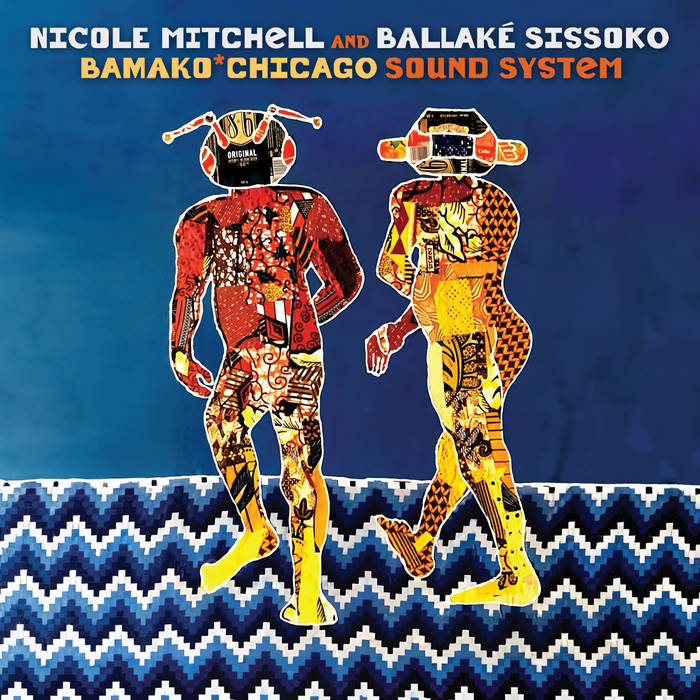
¿Qué más se podía esperar de una colaboración entre dos compositores de renombre internacional: la reconocida flautista y expresidenta de la AACM, Nicole Mitchell, y el innovador intérprete de kora, embajador musical de Bamako, Ballaké Sissoko? Ambos han desafiado las convenciones en sus respectivos géneros: el sonido afrofuturista y la ética cósmica de Mitchell y la integración de progresiones de guitarra en composiciones de kora de Sissoko. Ambos llevan las formas tradicionales a nuevos espacios. Ambos aportan una rica historia de colaboración en varios géneros.
El álbum completo encarna las tradiciones africanas de griot de llamada y respuesta, arraigadas en el linaje del blues/jazz de los negros estadounidenses. Algunas canciones despiertan la sensación de Bamako dando serenatas a Chicago a través de las calles de Mali y las historias locales, como se ve en "Tara". La exuberante voz de Kouyate, acompañada por las suculentas cuerdas de Sissoko, crean una experiencia sensorial tradicional pero poderosa, que refleja una rica cultura antigua.
1.
Bamako Chicago 08:21
2.
Doname 04:44
3.
Kanu 04:48
4.
Tolotai 04:37
5.
Spicy Jambalaya 07:28
6.
Tara 04:01
7.
This Moment 14:47
8.
Se Wa Kole 04:20
9.
Vulnerable 09:21
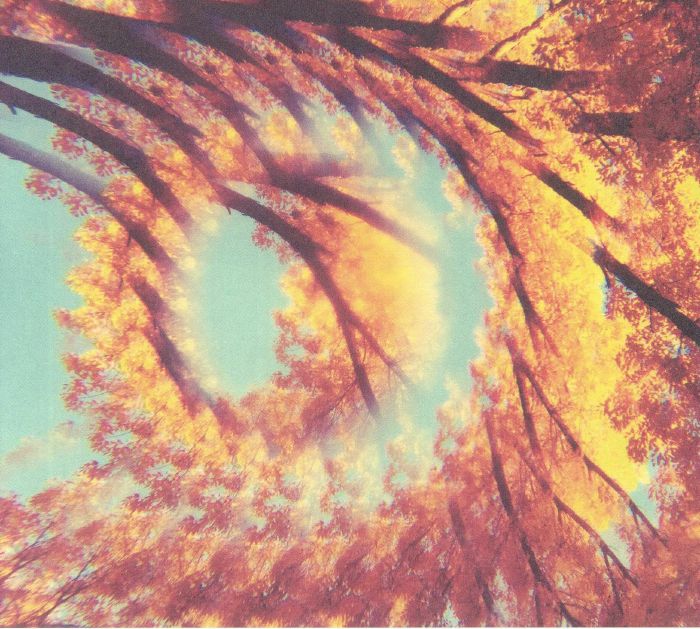
SUSSAN DEYHIM es una compositora, vocalista, artista de performance y activista iraní-estadounidense. Es conocida internacionalmente por crear un lenguaje sonoro y vocal único imbuido de un sentido de ritual y lo desconocido. Formó parte de la compañía nacional de ballet de Irán desde los trece años y viajó por todo Irán estudiando con maestros músicos y bailarines folclóricos. En 1976 se unió al Bejart Ballet en Europa después de recibir una beca para asistir a la escuela de artes escénicas Mudra de Bejarts, donde se formó en muchas de las grandes tradiciones del mundo, la danza, la música y el teatro, así como en el ballet clásico. Su música se mantiene fiel al espíritu de su antigua herencia mientras apunta hacia el futuro con una sensibilidad dramática muy personal y poética. En 1980, se mudó a Nueva York y se embarcó en una carrera polifacética que abarca música, teatro, danza, medios y cine. Creó/protagonizó innovadoras óperas mediáticas en La Mama en los años 80, incluidas Azax/Attra y The Ghost of Ibn Sabah.
1 City of Leaves 6:29
2 Tender Gaze 2:50
3 Glyphs on the Horizon 4:21
4 Dukebox 5:10
5 Searching for You 7:00
6 Fire Within 6:13
7 Autumn 1:02
8 Beshno Az Ney/Windfall 5:38
9 Secret Garden 4:48
Inlakesh ha inspirado a una generación de entusiastas del didgeridoo y fanáticos del ambiente tribal desde 1990. Aparece en numerosas bandas sonoras de películas independientes y en la película Imax; Sacred Planet, su música es una celebración de esa simple verdad que, a pesar de la miríada de formas de creación y diferencias que vemos alrededor del mundo ... todas las plantas, todos los animales y todos los pueblos emanan de las mismas pulsaciones creativas de conciencia.
1.
Forest Gathering 08:18
2.
Subterranean Deep 08:21
3.
Fire Gathering 07:22
4.
Dwelling Place of the Radiant Mind 10:39
5.
Eat Flowers, Breath Light 17:58
Alela Diane Menig (nacida el 20 de abril de 1983), conocida como Alela Diane , es una cantautora estadounidense de Nevada City , California .
Las canciones de su álbum The Pirate's Gospel fueron escritas en un viaje a Europa . Fueron grabadas en el estudio de su padre e inicialmente fueron autoeditadas en 2004, en papel y mangas de encaje con letras a mano. El álbum fue publicado en forma revisada por Holocene Music en octubre de 2006 y recibió una gran aclamación de la crítica.
Alela Diane’s debut album, The Pirate’s Gospel was originally only available in hand-stitched runs. Hailing from the deep woods and winding rivers of California Gold Rush town Nevada City, Alela grew up absorbing the folk songs of her musician parents and singing in choir. She began teaching herself guitar and writing her first songs, blending trance-like arpeggios, with warm vocals and meditative lyrics about family and nature. Written in response to a loss of home, The Pirate’s Gospel is a powerful document of personal reevaluation set against the backdrop of generations past and future, mothers and fathers, life, death, and birth. The songs were composed during a trip to Europe and recorded in her father’s studio. The album was formally released in 2006 to critical acclaim. This reissue includes 10 unreleased songs, which offer a deeper glimpse into her earlier work. The vinyl has been out of print for years.
1. "Tired Feet" 2:41
2. "The Rifle" 2:43
3. "The Pirate's Gospel" 2:55
4. "Foreign Tongue" 3:21
5. "Can You Blame the Sky?" (same song as "Mother's Love" from the original release) 2:28
6. "Something's Gone Awry" 1:06
7. "Pieces of String" 2:51
8. "Clickity Clack" 3:50
9. "Sister Self" 3:25
10. "Pigeon Song" 2:12
11. "Oh! My Mama" 4:14
12. "Heavy Walls" (UK and vinyl bonus track) 3:29
13. "Gypsy Eyes" (UK and vinyl bonus track) 3:11
Morning Bugle es un álbum de bluegrass del músico estadounidense John Hartford . Fue lanzado en 1972 por Warner Bros Records
Morning Bugle es el segundo y último álbum de Hartford para Warner Bros. Records y fue grabado en Bearsville Studios en Bearsville, Nueva York. Toda la música fue escrita por Hartford. El álbum presenta al bajista de jazz Dave Holland , quien actúa con Hartford y Norman Blake por primera vez.
1 "Streetcar" – 3:54
2 "Nobody Eats at Linebaugh's Anymore" – 4:52
3 "Howard Hughes' Blues" – 2:52
4 "All Fall Down" – 3:11
5 "On the Road" – 3:44
6 "Morning Bugle" – 2:22
7 "Old Joe Clark" – 5:48
8 "My Rag" – 3:40
9 "Late Last Night When My Willie Came Home" (Traditional) – 3:19
10 "Got No Place to Go" – 4:18
11 "Bye-Bye" – 3:20
The Sparrow Quartet doesn't fit any musical molds. They could be placed into a bluegrass box just as easily as a classical box or anywhere in between.
Abigail Washburn is the founder of the quartet. She grew up in the Twin Cities area and has also performed in our studio with Uncle Earl. She didn't intend for this instrumentation - two banjos, cello and violin - for the group, but when you work with banjo virtuoso and 10-time Grammy winner Bela Fleck, cellist Ben Sollee and violin player Cassey Driessen, the music finds a way to turn heads.
The Sparrow Quartet es un grupo de música acústica estadounidense que se formó en 2005. Sus miembros incluyen a Abigail Washburn, Béla Fleck, Casey Driessen y Ben Sollee.
Es bien sabido que la música de raíces se transmite de generación en generación. De abuelos a padres y de padres a hijos. La inevitable colisión entre el pasado tradicional y el enorme catálogo de música moderna, tanto espiritual como psicodélica, es la fértil llanura de la que brotaron las raíces de The Grass Is Dead. Inicialmente formada como una rama acústica de una de las bandas tributo a GD más queridas del país, Crazy Fingers, The Grass Is Dead ha evolucionado en los últimos diez años hasta convertirse en un monstruo de sonido y un festival favorito en la costa este, a Colorado y espalda. Sus presentaciones en vivo traen a la vista una sensibilidad tradicional de bluegrass, swing y música folclórica lanzada directamente sobre un pincel psicodélico de influencias modernas, lo más importante, la música de Grateful Dead. Cautivando al público con sus interpretaciones únicas y arreglos bien pensados de canciones de GD, Jerry García y muchos otros, así como su extenso archivo de música de raíz tradicional a su disposición, es solo cuestión de tiempo hasta que el rumor que han creado llegar a la costa oeste también. The Grass Is Dead están muy vivos y coleando, rockeando y abriéndose camino a través de este gran país.
"En el núcleo de The Grateful Dead está el corazón de la música estadounidense, que es bluegrass y folk. No puedes esconderte detrás de estos dos géneros. Lo que obtienes en el estudio es lo que obtienes en el escenario. Y es esa vulnerabilidad y honestidad lo que establece el tono y actitud además de la naturaleza desordenada y pulida de la radio pop. Al poner su música a través del prisma de la música de cuerdas, The Grass Is Dead muestra cómo Jerry & Co. enterró innumerables gemas de sabiduría, sonora y espiritualmente, en el rico tapiz de su melodías y letras, todo lo cual irradia intimidad e inclusión de The Grass Is Dead cuando se paran frente al micrófono, y también la noche desconocida de curiosidad y exploración que buscan y captan con tanta facilidad ".
1
Alabama Getaway
3:22
2
Run for the Roses
4:06
3
Brown Eyed Women 5:33
4
Reuben & Cherise
5:08
5
Mountains of the Moon
5:26
6
Dupree's Diamond Blues 4:44
7
Liberty
5:20
8
Valarie
3:42
9
Foolish Heart
5:41
10
Ship of Fools
6:00
11
When Push Comes to Shove
4:40
12
The Wheel
3:16
13
Days Between
8:42
"Spider" John Koerner (nacido el 31 de agosto de 1938 en Rochester, Nueva York , Estados Unidos) es un guitarrista, cantante y compositor estadounidense. Es mejor conocido como guitarrista y vocalista del trío de blues Koerner, Ray & Glover , con Dave Ray y Tony Glover . También ha realizado álbumes como solista y con Willie Murphy .
What's Left of Spider John es un álbum del músico de folk y blues John Koerner , lanzado en 2013. El álbum se grabó en mono a través de micrófonos de válvula y se mezcló en vivo en cinta utilizando equipo Ampex antiguo.
1
The Dodger
2:45
2
The Leather Winged Bat
2:21
3
Phoebe
3:41
4
Running, Jumping, Standing Still
2:46
5
Ezekiel
3:07
6
Days of '49
3:10
7
What's The Matter With The Mill?
2:13
8
Stewball
3:46
9
God's Penny
1:05
10
Everybody's Goin' For The Money
2:33
11
Creepy John
4:04
12
Good Time Charlie
2:51
13
Rattlesnake
1:29
14
Delia's Gone
3:05
15
Acres of Clams
4:12
16
Last Lonesome Blues
4:06
17
Nightbird Eyes
3:43
David Lange is a California-based independent filmmaker whose album “Return to the Comet”, created in the early days of digital recording, is generally regarded classic electronic space music for star gazing, comet tracking and other celestial experiences.
Lange creates his music visually first, starting with the songs titles and working backwards. He says that each piece represents an integral part of the whole experience as well as an event. In addition, the music with re-occurring themes was produced without overdubbing or use of multi-track tape, which allowed him to achieve a more human feel in his music.For this purpose, David recorded the songs live into a 14-bit digital recorder that used a consumer videotape recorder to store its information.
Originally released on tape in 1985 for the return of the Halley’s Comet, the 50-minutes of music consist of quiet, warm synth washes, nice piano interludes and lush, joyful and uplifting solo sounds, occasionally running into symphonic realms as on the title track.
After being out of print for years, David re-released “Return to the Comet” in 2007 together with its companion album “Mars Rising” as a 2-disc set, as -according to his opinion- these two projects always were meant to be heard together. “Mars Rising” was completed 18 months after “Return of the Comet”, but was not released due to business constraints at the time. Safe Journey which found its way onto the “Comet” cd was actually the first track of Mars Rising”.
The digital masters were misplaced for 17 years until they were discovered in a storage locker. The recordings (“stream of conciousness improvisations” as David likes to call them) were restored and released as the limited edition double album 20th anniversary set, featuring both albums in their original song order. These cds quickly sold out, and in order to satisfy the demand immediately, David resorted to a digital release available from Apple iTunes, Amazon.com as well as other popular digital retailers.
1 Tales Of Snow 8:40 2 Stardate 342.1 5:30 3 Return Of The Comet 4:00 4 Star Rains 9:00 5 Behind The Sun 7:10 6 Farewell To The Planet 6:45 7 Safe Journey 10:36
Desde su debut en 2017, Che Apalache ha sorprendido al público con su fusión de música de raíces latinoamericanas. Con su nuevo y emocionante disco Rearrange My Heart, la banda lleva su sensibilidad sonora global a la tarea de explorar cuestiones sociales que van desde la inmigración hasta el fundamentalismo religioso y más. Producido por la legendaria banjoista y productora ganadora del GRAMMY Béla Fleck, Rearrange My Heart utiliza una narración lírica vívida para desafiar sutil y subversivamente las narraciones de odio y ofrecer una perspectiva única sobre el efecto global de la política estadounidense. Che Apalache está dirigido por el violinista y vocalista Joe Troop, un nativo de Carolina del Norte que creció en bluegrass y en los viejos tiempos, y cuenta con tres músicos latinoamericanos poderosos: dos de Argentina, Franco Martino (guitarra), Martin Bobrik (mandolina) y Pau Barjau (banjo) de México. Rearrange My Heart es un disco impresionantemente cohesivo de 12 pistas por las muchas influencias que combina: murga uruguaya, candombe, flamenco, gospel de montaña, música judía sefardí española y bluegrass directo y duro, por nombrar solo algunos. Con una reproducción de primer nivel, armonías maravillosamente ejecutadas al estilo de Stanley Brothers y poderosas voces principales de Troop, Rearrange My Heart es una visión de una música verdaderamente "estadounidense", tanto en sonido como en historias; escuchar al Che Apalache establecer esta base pionera es emocionante, conmovedor y lleno de sorpresas alegres.
1-Saludo murguero
0:55
2-María
3:55
3-The Dreamer
4:30
4-24 de marzo (Día de la Memoria)
3:40
5-Rock of Ages
3:54
6-The Wall
1:58
7-Rearrange My Heart
4:10
8-春の便り (The Coming of Spring)
4:07
9-New Journey
6:01
10-La milonga del cuis empedernido
3:08
11-Over in Glory / New Swing
4:47
12-Once Took Me In
6:45
“Estoy más interesado en complacer a mí mismo, y hacer discos que me
hacen sentir orgulloso y me hacen sentir como que he hecho todo lo
posible. Y si otras personas como él, que es la salsa.”Estados Keb 'Mo',
la evaluación de su nueva versión de Oklahoma , fijada para el 14 de
junio de liberación, en 2019 Concord Records.
De hecho, en su cuarto de siglo como artista de grabación, el
carismático cantante / guitarrista / compositor y ganador del premio
Grammy en cuatro ocasiones ha hecho consistentemente música que refleja
sus propias pasiones e intereses. En el proceso, se ha ganado una
reputación por su habilidad para aprovechar su experiencia sin fondo
raíces de la música para hacer música profundamente expresiva, muy
personal.
Ese es el caso a través de Oklahoma , cuyas vistas creativa expansiva
reflejar los espacios abiertos del estado del mismo nombre. Con
observado veterano musical Colin Linden (la banda, Bruce Cockburn) al
frente de las labores de producción, 10 canciones del álbum abarcan
diversos talentos de Mo Keb', con el artista la entrega de algunos de
los trabajos más aventurero y personal de su carrera.
“Cuando estás en una cierta parte de su vida, el concepto de un álbum se
teje en el proceso”, dice. “Todas estas canciones derivaban de
cuestiones y temas importantes en todo el mundo que realmente resonó
conmigo durante el tiempo estábamos grabando el proyecto.”
La inspiración para la canción “Oklahoma” comenzó con una visita al
estado en 2013 para un concierto benéfico con Kenny Wayne Shepherd. Keb'
testigo de primera mano las consecuencias de un tornado destructivo.
“Pensé en lo que debe ser como vivir en Oklahoma y todas las grandes
personas que han venido de Oklahoma”, recuerda. Con sólo una melodía en
su cabeza para una canción sobre Oklahoma y poca conexión personal con
el estado, la pista del título casi nunca fue concebido. Eso es hasta
que las manos del destino le llevó a la reunión de, y sesión de
composición con Dara Tucker, un nativo de Oklahoma. Juntos, que se
dedicó a retratar la profundidad de la complicada historia de Estados
Unidos juega en su estado natal. desastres nativos relación con Estados
Unidos y la tragedia, naturales y artificiales, músicos increíbles y el
sonido de Tulsa, y robustez occidental y la fortaleza son todos los
temas. Notable es la mención de Greenwood / Archer y pino, conocido como
“Negro de Wall Street”, que fue tristemente destruida en 1921 en una de
las masacres más devastadores en la historia de las relaciones raciales
en Estados Unidos.
Haciendo un cameo, Robert Randolph, con maestría añade un aire
inquietante con su lap steel. “Elegimos a hacer la canción suena alegre y
en última instancia, sobre la capacidad de recuperación”, dice Keb'.
“Entonces Robert entró y se añade un poco de sabor musical. El resultado
fue hermoso, y pensé que tenía que ser en el expediente, y en última
instancia, lo que he elegido para ser el título del álbum.”
Después de haber establecido su sabor de aventura en colaboradores
musicales, Keb' ha reunido a un elenco apropiadamente impresionante para
Oklahoma . Rosanne Cash presta su poderosa voz y su presencia
inflexible con el himno feminista oportuna “poner a una mujer en el
cargo.”
“Se suponía que iba a ser un stand-alone sola, pero me encantó la forma
en que resultó, así que tuve que ponerlo en el álbum,” notas Keb'.
“Nunca había trabajado con Rosanne antes, pero alguien sugirió que ella
podría gustar. Ella dijo que sí, y ella dejó su parte, y era tan rudo “.
Keb' dice de la canción. “Se trata de poner un poco de energía femenina nutrir la forma en que opera nuestro país.”
Mientras tanto, Christian estrella / pop latino Jaci Velasquez presta
voces de fondo de agitación en “Este es mi hogar”, un sentido homenaje a
la lucha de los inmigrantes que humaniza sin esfuerzo a menudo un
problema de división.
En otra parte de Oklahoma, raíces-legendaria música icono de Taj Mahal,
que ya había colaborado con Keb' en su ganador del GRAMMY 2017 álbum
TajMo , se vuelve a conectar para el himno del medio ambiente en
movimiento ‘No tirar a la basura’, y ‘The Way I’ conmovedoramente aborda
el tema de la depresión. La canción de amor increíblemente íntimo
“Beautiful Music” presenta una actuación memorable dúo por el artista y
su esposa, Robbie Brooks Moore.
En general, Oklahoma -que Keb' ha dedicado a su difunta madre, Lauvella
Cole, que falleció en septiembre de 2018 a la edad de 91 mantiene un
impresionante nivel de compromiso emocional a lo largo, por lo que es
una de sus colecciones más convincentes. “Yo había estado trabajando en
un montón de registros para otras personas, por lo que me preocupaba que
podría ser un registro débil porque no tenía mi ojo en la bola y yo
estaba extendiendo demasiado delgada. Pero cuando todo estaba dicho y
hecho, encontramos las canciones y tenemos el derecho de sentir, y ahora
me siento muy, muy orgulloso de ello “.
De hecho, desde que llegó a la escena en la década de 1990, Kevin
Roosevelt Moore (rebautizado Keb 'Mo' alrededor de 1994) se ha ganado
una reputación por su dominio de múltiples estilos de blues, su
capacidad de combinar los enfoques tradicionales con una actitud
contemporánea, y por su sensibilidad narración atemporal. Además de la
liberación de una serie de álbumes aclamados, que ha prestado su talento
a una variedad de proyectos de teatro y cine, y colaboró con una
amplia gama de destacados músicos de diversos géneros, además de tener
sus canciones cubiertos por una amplia gama de artistas notables .
También es un firme defensor de la preservación de los azules, y
participa activamente en organizaciones benéficas que apoyan la
educación musical.
La guitarra de Keb le ha ganado su tercer invitar a prestigioso Festival
de Crossroads de Eric Clapton y ha inspirado a los fabricantes de
instrumentos principales, Gibson marcas, para emitir el Keb 'Mo' Firma
Bluesmaster y Bluesmaster Royale guitarras acústicas y Martin Guitars
para emitir el HD-28Km Keb' Firma modelo de edición limitada Mo'. Él ha
aparecido en la televisión y el cine, interpretando a Robert Johnson en
el documental de 1998 No se puede escuchar el aullido del viento ,
apareció tres veces en la serie de televisión Tocado por un ángel , jugó
un papel principal en el sello de Signed, Sealed, Delivered: Superior
suelo , y realizado por el presidente Obama en la Casa blanca.
“En algún momento, me di cuenta de que no es sólo acerca de cómo
escribir una buena canción con un buen gancho y buenas letras, pero
también se trata de escribir canciones que había algo que hacer en el
interior”, afirma Keb', que, hace 9 años, trasladado a su familia de Los
Ángeles a Tennessee. “Así que empecé a pasar mucho tiempo volver a
escribir letras, la grabación, la regrabación, y realmente trabajar duro
en ello. Llegué a un lugar donde comprendí la anatomía de la forma en
letras pueden trabajar, y cómo puedo usarlos para poner un poco de
sustancia en la canción. Es como rosquillas. Yo ni siquiera me gusta
rosquillas, pero sé que cada vez que muerde en una sola, va a haber algo
en su interior. En algún momento, me di cuenta de que tiene que contar
una historia de alguna manera, forma o forma, y este disco es una
continuación de la realización “.
“I Remember You”
“Oklahoma”
“Put A Woman In Charge” (Featuring Rosanne Cash)
"This Is My Home”
“Don’t Throw It Away”
“The Way I”
“Ridin’ on a Train”
“I Should’ve”
“Cold Outside”
“Beautiful Music” (Featuring Robbie Brooks Moore)
Sus palabras: "‘ Woods and Fields "es la primera canción de nuestro próximo álbum, Clementine, y es una de las primeras canciones que Emily y yo escribimos juntas. Esta pista presenta nuestra versión clásica del canto a dúo y se basa en las raíces y tradiciones de la música antigua. A medida que revelamos lentamente nuevas facetas de nuestro sonido a lo largo del álbum, preservamos nuestra interpretación esencial de las raíces populares rurales. Clementine es una colección de canciones sobre el amor, el anhelo, la autorreflexión y la búsqueda de simpatía en la naturaleza. "Woods and Fields" representa esto bien, y es una instantánea de nuestra voz colectiva ". - Wilhelmina Frankzerda de Paper Wings
Tracks: • 01. The Beginning 00:33
• 02. Woods and Fields 02:47
• 03. Sister 03:18
• 04. Troubled Soul 03:54
• 05. Ribbon of Gold 02:56
• 06. Ashby 03:03
• 07. Dusty Eyes 02:42
• 08. As I Walk Down 04:03
• 09. Winter Storm 03:35
• 10. Miss My Darlin' So 03:10
• 11. The Lonely One 04:44
• 12. Good Man 01:54
• 13. Clementine 04:26
Rara vez un título ha sido más apropiado para un álbum. "Griot - (en
África occidental) miembro de una casta responsable de mantener un
registro oral de historia tribal en forma de música, poesía y
narración". El trovador Eric Bibb trabaja con numerosos músicos de todo
el mundo para este gran proyecto, Global Griot , que se grabó en siete
países y en doce estudios diferentes. Diez personas tienen sus nombres
en créditos de productores y participan doce ingenieros.
Bibb, dos veces nominado al Grammy y ganador múltiple de BMA, quien
podría tener la voz más suave, aparte del difunto Sam Cooke, es
generalmente reconocido como un artista de blues / folk / músicas del
mundo y mientras escucha todos esos estilos aquí, podríamos como Incluye
fácilmente el evangelio y el alma también. Bibb puede contar con más de
30 álbumes en su carrera histórica que comenzó hace más de 40 años.
Obviamente, ha conocido a muchos músicos en el camino y ha comenzado a
nacer en la realeza musical en la ciudad de Nueva York. Su padre fue
conocido cantante de folk Leon Bibb, y su tío fue John Lewis del Modern
Jazz Quartet. El legendario actor / cantante / activista fue el padrino
de Eric.
Grabado en Suecia, Francia, Reino Unido. Canadá, Jamaica, Ghana y
América, el proyecto presenta apariciones especiales como invitado por
Habib Koite de World Music, con quien Bibb grabó su álbum estelar de
2012, Brothers in Bamako. También se une al músico de África Occidental
Solo Cissokho, un maestro del arpa de 22 cuerdas, la kora, un
instrumento que muchos fanáticos del blues escucharon por primera vez en
la colaboración africana de Johnny Copeland en 1986 Bringing It All
Back Home. Otros artistas y vocalistas de músicas del mundo aparecen
junto con el invitado especial, el viejo amigo de Bibb y Harrison
Kennedy, quien es el cantante de cuatro canciones. La esposa de Bibb,
Ulrika, Paris Renita, Linda Tillery y Ken Boothe también hacen fuertes
contribuciones vocales además de coros en algunas canciones.
A medida que se desarrolla el álbum, las combinaciones y la combinación
de instrumentos son a menudo impresionantes y conmovedoramente
conmovedoras. La voz de Bibb no tiene absolutamente ningún tinte de ira,
pero sus letras comentan de forma conmovedora el estado actual del
mundo, casi desde el principio. Después de la apertura de "Gathering of
the Tribes", con Cissokho en Kora y dúo, Bibb trae los cuernos para el
amargo "Wherza Money At". Eso comienza una secuencia de tres canciones
donde "" Human River "habla del poder de la protesta. y "What's He Gonna
Say Today" es una de las mejores canciones de este año dirigidas a
POTUS 45. Bibb condena nuestro deseo de un consumo conspicuo en el
amargo "We Don't Care", brinda otro grito de guerra en "Hoist Up the
Banner" y hace varias declaraciones sobre el racismo a partir de su
versión de "Black, Brown & White" de Bib Bill Broonzy, con la voz de
Kennedy. Kennedy también contribuye en "Brazos River Blues", el "Listen
for the Spirit" y el "Spirit Day" cargados de ritmos. Las canciones "We
Don't Care" y "Mami Wata / Sebastian's Tune" presentan a Habib Koite
cantando y tocando acústicamente Guitarra en tándem con Bibb.
Al crecer en la escena popular de la Villa de Nueva York, Bibb fue
naturalmente influenciado por Dylan, Báez y Seeger, que también eran
visitantes frecuentes de su hogar. También cuenta con Odetta, Richie
Havens y Taj Mahal como las principales influencias y sus ecos están en
todo su catálogo, además de estar presentes aquí. Las variedades del
Evangelio son evidentes en "Send Me Your Jesus", "Let God" y en el modo
de espera de los antiguos, "Michael, Row da Boat en tierra", entre
varias melodías. Bibb comienza el segundo disco, Act Two, con "Race
& Equality" y ofrece un grupo coherente de canciones centradas en
nuestra necesidad de unidad. Entre los aspectos más destacados aquí se
encuentra el "Día del espíritu", que presenta a otro jugador destacado
del álbum, Michael Jerome Brown en banjo y guitarra sin trastes, así
como a Cissokho en kora y voz junto con Kennedy. El tradicional "Last
Night I Had The Strangest Dream" presenta a Ulrika Bibb en la voz. Linda
Tillery da un giro especialmente conmovedor a "New Friends" y Ken
Boothe le da su toque a "Mole in the Ground".
Bibb es totalmente adepto a casar las raíces africanas del blues con los
estilos estadounidenses, está más que dispuesto a compartir el foco con
músicos talentosos de todo el mundo y es intrépido en su enfoque donde
los comentarios sobre el estado actual se posicionan finalmente como
gritos de Un futuro esperanzador. Puede ser bastante atrevido marcar
esto como el mejor de Bibb, considerando su impresionante cuerpo de
trabajo de 40 años, pero sin duda debería ganar otra nominación al
Grammy o dos. Está claramente entre los mejores álbumes de música de
este año.
CD1:
1. Gathering Of The Tribes – 2:51
2. Wherza Money At – 4:38
3. Human River – 3:21
4. What’s He Gonna Say Today – 3:13
5. Brazos River Blues – 2:31
6. We Don’t Care – 3:29
7. Black; Brown & White – 3:13
8. Listen For The Spirit – 4:43
9. Holst Up The Banner – 3:10
10. Mami Wata / Sebastian’s Tune – 3:40
11. Send Me Your Jesus – 5:00
12. A Room For You – 2:34
13. Remember Family – 3:14
CD2:
1. Race & Equality – 3:59
2. Grateful – 3:29
3. All Because – 4:21
4. Spirit Day – 5:50
5. Let God – 3:07
6. Last Night I Had The Strangest Dream – 2:46
7. Picture A New World – 2:28
8. New Friends – 2:44
9. Mole In The Ground – 4:24
10. Michael, Row Da Boat Ashore – 4:15
11. Needed Time – 7:01
This is The Last Poets' 50th anniversary year, and they've celebrated it
with an album that matters - not just musically, but as a record of the
times we're living in. The Last Poets are weathervanes, warning of the
future and past sins in poems that are indivisible from the rhythms
they're voiced on. Think warriors reporting from the battlefield; but
their work is also a test of our own courage, because are you ready to
receive what they're saying? And is your heart clean and strong enough
to withstand the truth?
These ten tracks speak of their own journey, and that of a revolutionary
struggle largely defined by race when The Last Poets first came
together at an event commemorating Malcolm X in East Harlem's Marcus
Garvey Park during the spring of 1968. That initial line-up, comprised
of Dahveed Nelson, Gylan Kain and Felipe Luciano proved short-lived and
it was a trio of different voices that would secure their legacy with a
debut album, 1970's Last Poets, that sounds just as radical and
challenging today as it did nearly fifty years ago. Two of their members
from that time, Umar Bin Hassan and Adiodun Oyewole, still wear the
mantle of Last Poets. "Back then, I wanted to see everything burned
and people hanged. I wanted to see riots," says Abiodun, who's from
Queens in New York, and took over
from Nelson in 1969. He was missing from their follow-up album This Is
Madness, after being jailed in North Carolina for armed robbery. "Each
of The Last Poets has their own stories about problems with the law," he
reflects. Umar, who wrote the title track of This Is Madness, was next
to leave. He was living in Brooklyn by then, and struggling with
substance abuse. Speaking on the phone from his home in Baltimore, he
makes the point that their poetry wouldn't have the same impact had
their resolve not been tested along the way, and there's an unassailable
truth to this.
He was replaced by Suliaman El-Hadi, who went on to record a series of
albums with Jalal Mansur Nuriddin (aka Lightnin' Rod) as the The Last
Poets. The last of them was Freedom Express in 1988. Two years later and
Bill Laswell invited Umar to record a solo album called Bebop Or Be
Dead, with backing from musicians like Bernie Worrell and Bootsy
Collins. In Umar's own words, "there would be no second coming of The
Last Poets" without this album, on which he'd revisited This Is Madness
and Niggers Are Scared Of Revolution. He and Abiodun, soon to record his
own solo album 25 Years, revived the name The Last Poets for the
nineties' albums Holy Terror and Time Has Come, again produced by
Laswell. Such releases were well received but then little was heard of
The Last Poets for another twenty years aside from Claude Santiago's
film Made In Amerikkka, which documented a one-off reunion concert in
France, commemorating their fortieth anniversary. That's how it is with
The Last Poets - unseen forces govern their actions, and it wasn't until
Donald Trump was elected US President and a renewed struggle for
America's soul began that they stirred once more.
After Abiodun and Umar had resurrected the group and they'd started
doing shows together, UK producer Ben Lamdin contacted them about doing
some recording and sent them a few rhythm tracks that he'd got from
Prince Fatty, whom he knew from their time in Brighton. Fatty's
speciality is old school reggae and dub, which he records using seasoned
UK session players such as Horseman and Dub Judah, who play drums and
bass respectively. That's how the foundations were laid, at Fatty's
Brighton studio on Blackman Street. Ben then added horns arrangements
with help from his band Nostalgia 77 and set off for New York where he,
Umar and Abiodun met for the first of two recording sessions.
"When they listened to the tracks they were really blown away," says
Ben. "I think they were surprised to hear themselves in that context
basically, because everything they've done before is resolutely American
in terms of the sound and what they've been talking about. What we
ended up with was a mixture of American poetry and jazz, Jamaican
rhythms and African drums. It was as if Mingus and Duke Ellington had
got together and stopped over in Jamaica..." Umar confirms that it was
the first time the Poets ever voiced on reggae rhythms. "It's amazing
how the music has opened up new avenues and taken us somewhere else," he
says. "Reggae is such a deep music because it envelops your words; it
closes around them and gives them a whole new meaning."
The first track they worked on was a statement voiced with absolute
certainty by Abiodun, who'd previewed the same lyrics at that fortieth
anniversary show in Paris ten years earlier. "America's a terrorist,
killing the natives of the land," he intones. "Killing and stealing has
always been a part of America's master plan to control the earth and
everything on it. To divide and conquer is all they wanted." It's a
vivid expose of America's collective psyche and if his words cause
hearts to flutter, it's in recognition of the truth although the real
danger would be to disregard what he's saying, and not act whilst we can
still make a difference. The other tracks voiced at that first session -
held at the studio of a friend in lower Manhattan - include How Many
Bullets which bridles with defiance as Abiodun works through a litany of
injustices suffered by black people in the US. "You tried to blow my
brains out with bigotry. Chopped off my wings so I couldn't fly free.
Took my drum, broke my hands, yanked my boots right up out of the land
and riddled my soul with Jesus." A repetitive chant of, "You can't kill
me. Can't you see?" mocks his oppressor, but with no loss of dignity.
Tracks like this go beyond social commentary, just as the opening
Understand What Black Is transcends ethnicity. "Understand what black
is," he urges. "It's the source from which all things come." He explains
that it's not a colour, but the basis of all colour, and it's nothing
to do with complexion either. "Black is a hero, not a villain. Black is
the essence, sealed with a kiss."
Abiodun also wrote What I Want To See, which describes a utopia - a
refuge from hurt and those who'd make "our vision blurred, and our faith
obscure." As the music builds in intensity, horns and chanted harmonies
arrive together, "No prisons, no locks, no keys..." "I know the music I
want to hear," he continues. "I know the air I want to breathe. I know
the love I want to feel." He uses imagery like that found in old time
spirituals for The Bridge - a song of transition that he wrote for the
Poets' second recording session with Ben. Label boss Tony Thorpe, who'd
previously worked with KLF, joined them on that occasion.
For the most part, the Poets voiced over readymade rhythm tracks
although this wasn't always the case. Umar's North East West South
happened the other way round because he voiced it first, and then the
horns were painted in afterwards. A little-known album of Prince
instrumentals called News inspired the words and prompted Umar to draw
parallels between their respective childhood experiences.
"That poem took me about a year to write," he says. "I just kept writing
and writing but not getting too far and then I heard that album and the
musicianship was amazing. I was left wondering if it was jazz,
classical, rock or maybe something new but all those images that I write
about came to me from listening to that album. I loved Prince in that
movie Purple Rain because my father was a talented musician but he was
into brutalising Mama at times and in the movie there's a Jerome and my
name is Jerome, so it was like he was telling my life story as well."
Umar was raised in North Akron, in the Elizabeth Park projects. His
father spent time in jail, leaving him and his seven brothers &
sisters in the care of their mother and grandparents. Umar dedicated
Bebop Or Be Dead to his father, who he says was born in "the wrong
family, in the wrong place and at the wrong time."
"My father and I were constantly arguing. As a matter of fact one time I
nearly killed him when he was taking his anger out on my mother. I went
and got this hatchet and I was going to take him down but I knew that
if I did that, I'd surely kill him. My mother saw me and stopped me
because she was scared that I'd do it for real, but Prince also had
issues with his father because his mother was white and in the movie,
his father was always blaming her for not believing in him. He'd beat
her and one day Prince got in the middle of it, just like I did except
I’ve come to realise that I am my father the musician, and I am those
sounds that he never got to bring to the world.”
Umar's father played trumpet, and he'd often sit in with visiting
musicians whenever they came to town. His quartet played local clubs
such as Roxy's Cafe in North Howard Street, where his son also worked.
Umar used to shine shoes there from the age of eight and he'd be out
until midnight, hustling small change from the patrons at Roxy's, the
Tropicana, the Hi-Hat and Joy's Lounge... It was after leaving the
projects at fourteen that he became an avid reader, which then led to
him meeting Fred Ahmed Evans and joining the Black United Front. He
first met The Last Poets in 1968 at the Black Arts Festival in Yellow
Springs, Ohio, whereupon he underwent an epiphany of sorts. Several
months later and he arrived in New York "with just twenty-two cents, a
book of poetry and a pair of jeans in a brown paper bag." The three
original members had left by then. Abiodun found him a place to stay and
invited him to become a Last Poet, along with Jalal. Their aim was to
politicise the black community, and raise people's revolutionary
consciousness. "Wake up niggers or you're all dead," they warned.
Abiodun, speaking in Claude Santiago's film, says that the Poets set out
to "de-nigger" black people, and free them of their slavish mentality.
"We were raw. We didn't give a damn. We just came at you raw!"
When Umar joined them, they used to meet at a place in Harlem on the
corner of 125th Street and Lenox Avenue called East Wind. A Black Arts
movement had formed in New York made up of activists, musicians,
artists, fashion designers and writers like Amiri Baraka, who Abiodun
describes as "a major influence and a true mentor of The Last Poets."
It was 1969 and jazz, like poetry, was an integral part of the struggle.
The Last Poets hosted workshops and events at East Wind featuring jazz
musicians such as Sun Ra, Pharaoh Sanders and Archie Shepp, who shared
the same cultural and political aims. Umar and Abiodun have continued to
celebrate music in their poems ever since. It's a love that's deepened
with age and encompasses every stage of black music's development, from
ragtime, jazz and blues to artists like Prince and Jimi Hendrix - music
that "gives credit to who we are and where we come from." She Is
traces the development of that music from its inception in New Orleans'
Congo Square, which is renowned as the birthplace of jazz. "It's a
place where the slaves could go and enjoy a free day," Umar explains.
"They'd come together, play music and dance... The music then spread to
places like Chicago and Detroit and took on different forms as people
went from being slaves to sharecroppers and then factory workers. Music
has been part of our lives as black people from the beginning and it's
played a vital role in our survival as well." His story begins with
"the rage of the overseer, ripping and shredding" before the music
emerges as a healing force, and spawns "secret songs of the Mississippi
delta." The rhythm's based on Don Redman's thirties' jazz tune, Chant Of
The Weeds, complete with shifting textures and colourful harmonies.
It's an unlikely candidate for a reggae treatment, but then few rules
apply at a Last Poets' session.
Abiodun, who grew up listening to his parents' gospel and jazz
collection and has a good singing voice, also writes powerfully about
music. Take the lyrics of The Music for instance, in which he refers to
the drum as his "heartbeat."
"I started out with the blues, because I had been abused so I created
medicine to ease the pain, so I wouldn't go insane. I found a way to
heal my soul, in spite of what I was being told. I created a new world
of sound, to pick me up when I was down."
Abiodun, formerly known as Charles Davis, attended a Yoruba temple in
Harlem from the age of fifteen, and forged a deep, spiritual connection
to its teachings that have continued to serve him ever since. Umar has
studied Islam and urges us to rediscover our capacity for love in
Certain Images, despite warning how "the stink of conspiracy fills the
air." He wants us to believe this simple act of faith can save humanity,
and talks about a "resurrection of our minds" in We Must Be Sacred,
promising that "the phoenix will come from the flames this time."
"We can't change without love," he insists. "Love is the most important
thing in the world but first of all we must understand how to make love a
fact, because it's not there to play with. Love is everlasting, and you
have to hold it and protect it and keep it strong because you can't
quit. You've got to believe in what you're doing and try and make the
world a better place because when I was a little boy, I'd see the bar
room brawlers, the pimps and the prostitutes... Basically, what I
learned is that people just want to be appreciated and that's what I try
and hit upon in my poetry. I try and see what they're searching for and
then I have to hope that whatever comes out of my mouth helps them to
feel good, and I'm giving them the respect they deserve."
1.
Understand What Black Is 06:09 2.
North, East, West, South 07:14 3.
How Many Bullets 04:30 4.
She Is 05:03 5.
What I Want To See 05:15 6.
Certain Images 04:58 7.
The Bridge 03:31 8.
We Must Be Sacred 04:51 9.
Rain Of Terror 09:55 10.
The Music 05:09
Cooder also shared the details of The Prodigal Son Tour, his
first full solo outing since 2009. The fabled musician will be joined by
chief collaborator, drummer, percussionist, and keyboardist, Joachim Cooder; accomplished singer, songwriter and multi-instrumentalist, Robert Francis; a unique saxophonist who has recorded with some of the most recognizable names in jazz and popular music, Sam Gendel, and the Grammy-award winning vocal trio from North Carolina, The Hamiltones. The tour will visit venues throughout North America this spring and summer (see dates below).
The Prodigal Son, is essential Cooder. A masterwork of
roots, blues and R&B, the album conjures our own history of the
spirit, sounding completely fresh and contemporary, framed by Cooder’s
expressive vocals and graceful, elegant guitar work. The album’s 11
tracks include three Cooder originals along with a carefully selected
collection of vintage blues, gospel and bluegrass by the likes of The
Pilgrim Travelers, The Stanley Brothers and Blind Willie Johnson. Taken
together, it forms an unflinching look at the state of play in modern
America. The LA Times described “Shrinking Man,” (a
Cooder original and first track released off the album) as “an up-tempo
blues shuffle featuring scratchy bottleneck guitar work for a treatise
on living more responsibly and respectfully.”
“I do connect the political/economic dimensions with the inner life
of people, since people are at risk and oppressed on all sides in our
world today,” Cooder states in the album’s liner notes. “There’s some
kind of reverence mood that takes hold when you play and sing these
songs. ‘Reverence’ is a word I heard my granddaughter’s nursery school
teacher use, a Kashmiri woman. She said, ‘We don’t want to teach
religion, but instill reverence.’ I thought that was a good word for the
feeling of this music.”
For nearly 50 years, the immense scope and influence of Ry Cooder’s
music has been felt as much, or more than heard. As master musician,
producer, songwriter and sage, the Santa Monica, California native has
explored music and culture from across the city, the state, the country
and around the world. Sounding completely fresh and contemporary, The Prodigal Son
is music for these times, a deft commentary on our ailing moral state
and a fearless dive into the country’s soul and the man himself, Ry
Cooder.
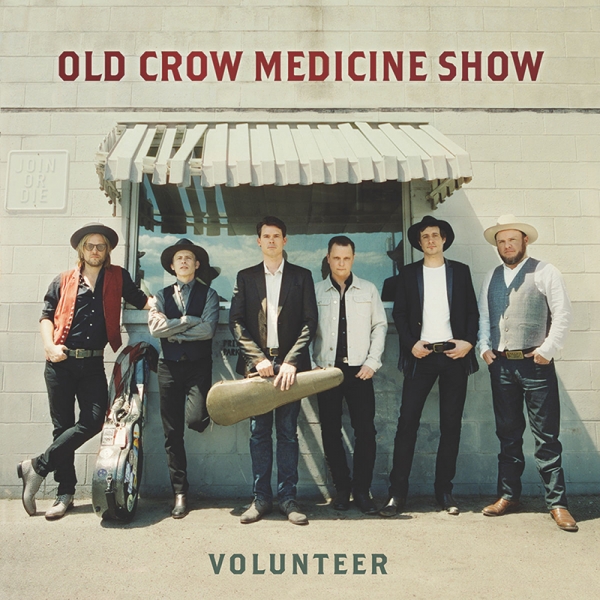
Old Crow Medicine Show publican nuevo disco “Volunteer” el próximo 20 de abril. Año éste en el que la banda conformada por Ketch Secor, Critter Fuqua, Cory Younts, Morgan Jahnig, Chance McCoy y Kevin Hayes, celebra 20 años como formación.
A la producción del nuevo disco de Old Crow Medicine Show se encuentra Dave Cobb (Colter Wall, Sturgill Simpson, Jason Isbell),
grabando sus once canciones el histórico estudio RCA A Studio en
Nashville en el que colaborado Joe Jackson Andrews al pedal steel y en
que vuelve a aparecer la guitarra eléctrica en sus canciones. La última
vez que los OCMS incorporaron ese instrumento fue con la Telecaster de David Rawlings en “Wagon Wheel” en 2004, tercer trabajo de la banda.
El último álbum de estudio con canciones inéditas de Old Crow Medicine data de 2014 con el espléndido “Remedy”, ganador del Grammy al mejor disco Folk de aquel año, entrando a formar parte del Grand Ole Opry un año antes de la publicación de aquel disco, tras nueve álbumes de estudio y un directo hasta la fecha.
El año pasado rindieron tributo a Dylan en “50 Years of Blonde on Blonde”, álbum en directo grabado en el CMA Theater de Nashville en el que reinterpretaron al completo, Blonde on Blonde séptimo álbum de estudio de Bob Dylan, conmemorando el 50 aniversario de su publicación hace dos años.
La relación entre Old Crow Medicine Show y Bob Dylan comienza en el tercer disco de la banda, que lo abre “Wagon Wheel”, una canción inacabada de Bob Dylan y
reconstruida por Old Crow Medicine incluida en su álbum homónimo de
2004, tema versionado en 2013 por Darius Trucker en su disco “True Believers”. Los Old Crow Medicine Show volvieron a versionar a Dylan en su último trabajo de estudio “Remedy” con “Sweet Amarillo”, desechada durante las sesiones de la grabación de la banda sonora de Pat Garrett and Billy the Kid en 1973.
1. Flicker & Shine 2. A World Away 3. Child of the Mississippi 4. Dixie Avenue 5. Look Away 6. Shout Mountain Music” 7. The Good Stuff 8. Old Hickory 9. Homecoming Party 10. Elzick’s Farewell 11. Whirlwind
A Hawk and A Hacksaw comenzó en 2000 en la pequeña ciudad de Saumur,
Francia. Inicialmente, un vehículo solo para el baterista del Hotel
Neutral Milk Jeremy Barnes, el ímpetu principal del proyecto fue
enfocarse en las áreas grises en las fronteras de la música y la
geografía. El primer álbum fue lanzado en 2002 por Cloud Recordings.
Barnes conoció a la violinista Heather Trost en 2004 y la banda se
convirtió en un dúo. Desde entonces, la pareja ha lanzado seis álbumes y
realizado giras por todo el mundo. Han aprendido y colaborado con
algunos de los grandes.
En los últimos años, la banda se ha centrado en la grabación,
componiendo la banda sonora de un exitoso programa de televisión albanés
llamado Skanderbeg y el videojuego Forest of Sleep. Recientemente
también completaron una partitura para un nuevo corto del aclamado
cineasta Peter Strickland (Berberian Sound Studio, The Duke of
Burgundy). También fueron presentados, junto con Bartók y Ligeti, para
una noche de música de arte de Europa del Este en el Queen Elizabeth
Hall en Londres. La Orquesta de Conciertos de la BBC interpretó las
composiciones originales y los arreglos populares de AHAAH junto con la
banda.
Forest Bathing, el nuevo álbum, presenta diez composiciones originales.
El Persian Santur, un antiguo tipo de dulcimer golpeado con palos, y
ejecutado por Barnes, es un componente que se combina con el violín de
Trost, que se eleva y se sumerge. El dúo toca casi todos los
instrumentos, pero tiene algunos maravillosos músicos invitados en
algunos temas: el clarinetista turco Cüneyt Sepetçi, el maestro húngaro
Cimbalom Unger Balász, el trompetista de Chicago Sam Johnson, quien a
menudo gira con el grupo, el guitarrista de Deerhoof John Dieterich y el
bajista de Nuevo México. Noah Martinez de la banda Lone Piñon.
A1 Alexandria 4:56
A2 A Broken Road Lined With Poplar Trees 3:16
A3 A Song For Old People, A Song For Young People 3:05
A4 The Shepherd Dogs Are Calling
Clarinet – Cüneyt SepetçiTenor Saxophone – Chris Ogden (2)3:41
A5 Night Sneaker
Cimbalom – Unger Balász*Double Bass – Noah Martinez1:38
B6 The Magic Spring
Guitar – John Dieterich3:07
B7 The Sky Is Blue, The Desert Is Yellow 4:22
B8 Babayaga
Cimbalom – Unger Balász*Double Bass – Noah Martinez1:48
B9 The Washing Bear
Clarinet – Cüneyt Sepetçi2:19
B10 Bayati Maqam
Clarinet – Cüneyt Sepetçi5:26
"Assikel, de Bali à Baly" met en musique et en images, le chemin parcouru par Steve Shehan de Bali, l'île de l'Indonésie, à Baly, l'homme "bleu", sur le thème de la recherche identitaire.La musique est une rencontre d'instruments qui mettent en valeur une autre approche de la liberté de créer dépassant les limites de l'appartenance.Baly nous a quitté le 18 juin 2005 et c'est pour honorer sa mémoire et aller jusqu'au bout du rêve et de son engagement que Steve Shehan sort ce nouvel album inédit rendant hommage à ce grand poète du désert.Tourné dans le Sahara, à Paris, et à New-York, avec une multitude d'images et de photos d'archives, ce documentaire regroupe une vingtaine de témoignages de personnes qui ont croisé et bousculé, d'une façon ou d'une autre, le chemin de Steve Shehan.
La música es el corazón de la vida. Por ella habla el amor; sin ella no hay bien posible y con ella todo es hermoso. La música puede dar nombre a lo innombrable y comunicar lo desconocido. La música es sinónimo de libertad, de tocar lo que quieras y como quieras, siempre que sea bueno y tenga pasión, que la música sea el alimento del amor.
LEE
Creo que sería labor de los Ministerios de Cultura de cada país difundir la cultura musical y facilitar su acceso sin cortapisas.
Naturalmente queda a criterio de cada cual que,una vez escuchado, pueda adquirirlo en su tiend habitual, supuesto válido sólo para un reducido número de discos, ya que muchos de ellos no están en los circuitos comerciales convencionales y acceder a su compra en algunos casos será harto difícil cuando no imposible. En esta página no hay finalidad económica alguna. Única y exclusivamente el deseo de ayudar a que disfrutes con algo tan maravilloso como es la música.
Mi gratitud a los autores que nos hacen disfrutar de sus creaciones y también a todos aquellos que permiten que llegue a nosotros, facilitando que podamos ampliar nuestra cultura y sensibilidad, constituyendose así en un extraordinario regalo.
Si alguna vez no puedes entrar en el blog GPS-SONORO ,apuntate el siguiente blog para no despistarte.(SOLO SE ABRIRA EL BLOG SI CIERRAN GPS)
If you ever can't enter the GPS-SONORO blog, sign up for the following blog so as not to get lost. (THE BLOG WILL ONLY BE OPENED IF THE GPS CLOSES)
Se você não conseguir entrar no blog GPS-SONORO, cadastre-se no seguinte blog para não se perder. (O BLOG SÓ SERÁ ABERTO SE O GPS FECHAR)
Si à tout moment vous ne pouvez pas accéder au blog GPS-SONORO, inscrivez-vous au blog suivant pour ne pas vous perdre (LE BLOG NE SERA OUVERT QUE SI LE GPS SE FERME)