Mostrando entradas con la etiqueta Afro-Funk. Mostrar todas las entradas

domingo, 16 de marzo de 2025

Seu Jorge - Baile a la Baiana


Con 11 temas que combinan elementos de la música de Río de Janeiro y de Bahía, Baile à la Baiana es una celebración de la riqueza cultural de Brasil y un hito en la carrera del cantante, quien se ha consolidado como uno de los artistas más versátiles y creativos de la música brasileña.

La inspiración para el Baile à la Baiana nació en Salvador, en un vibrante espacio cultural llamado Galpão Cheio de Assunto, liderado por el percusionista Peu Meurray , amigo y socio de Seu Jorge desde hace mucho tiempo .

Fue también allí donde el artista conoció a Magary Lord , otro nombre central en la concepción del álbum. El ambiente del Galpão, que albergó música, exposiciones y encuentros creativos, se convirtió en un punto de encuentro de artistas que buscaban innovar y compartir sus expresiones artísticas.

“Fue un encuentro de almas. “La música nos unió de una manera muy genuina”, recuerda Seu Jorge . “Nuestros hijos jugaron juntos, las familias se unieron y de ahí surgieron canciones que tienen mucho significado para mí. “Este álbum es un registro de esas conexiones”.

Además de Peu y Magary , el álbum cuenta con contribuciones de otros compositores que han colaborado a lo largo de los años para crear un repertorio rico y diverso. “Las canciones estaban prácticamente listas. “El desafío fue reunir a las personas adecuadas y capturar la energía que cada una aportaba al proyecto”.

La música de Baile à la Baiana es un verdadero mosaico de influencias. Grabado con la banda Conjuntão Pesadão , que acompaña a Seu Jorge desde hace años, el álbum trae la fuerza de la música negra de Río —como el funk, el soul, de Banda Black Rio , A Banda do Zé Pretinho , Banda Vitória Régia— mezclada con los ritmos vibrantes de Bahía, como Chula, Semba, además de la Música Negra y la Samba Negra. “En general, el álbum reúne el afropop regional. “La búsqueda es de ese sonido”, afirmó Seu Jorge .

“Este disco trata sobre la unidad. “La música carioca y la bahiana se unen de forma natural, porque ambas tienen raíces en la música negra y en el deseo de transmitir alegría y fuerza”, explicó el artista.

Entre los músicos que participan en el proyecto se encuentran Adriano Trindade , Sidão , Danilo Andrade , Rodrigo Tavares , Fernando Vidal , Ivan Sacerdote , y los propios Peu Meurray y Magary Lord , quienes también contribuyen con su percusión y voz. “Es un esfuerzo de equipo. “Todos aportaron sus fortalezas y experiencias para crear algo único”.


1 Sete Prazeres - Peu Meurray
2 Sábado à Noite
3 Sim Mais
4 Batuque
5 Gente Boa se Atrai - Peu Meurray
6 Chama o Brasil pra Dançar
7 Shock
8 Lasqueira- Magary Lord
9 Amor de Canudinho - Magary Lord
10 Mudou Tudo  -Peu Meurray
11 Dia de Mudança  - Magary Lord


jueves, 26 de diciembre de 2024

The Last Poets and Tony Allen ft. Egypt 80 - Africanism


A finales de los años 60, tres hombres inspirados por el poeta sudafricano Keorapetse Kgositsile que operaban bajo el nombre de The Last Poets tomaron las palabras del Black Art Movement y las pusieron a ritmos funk. El efecto cultural que tuvieron fue enorme: más tarde se los conocería como proto-raperos de la Era de los Derechos Civiles, y sus canciones se han abierto camino en la música rap a través de samples y colaboraciones.

Al mismo tiempo que The Last Poets estaban activos en Harlem, al otro lado del océano Atlántico en Nigeria, Fela Kuti estaba inventando el afrobeat, una música que tenía un espíritu similar al de The Poets, con palabras con carga política acompañadas de un ritmo de batería que animaba a la gente, cortesía del baterista Tony Allen. Antes de que Allen falleciera en 2020, grabó pistas de batería destinadas a ser utilizadas por The Last Poets, pero las sesiones de grabación posteriores se pospusieron debido a la pandemia. Después de que terminara el confinamiento, Abiodun Oyewole y Umar Bin Hassan seleccionaron un puñado de poemas clásicos de sus dos primeros álbumes, The Last Poets y This is Madness, y les dieron nueva vida a las canciones clásicas inyectándoles los característicos polirritmos propulsores de Allen.


1. This Is Madness 05:29
2. Two Little Boys 04:25
3. Just Because 02:53
4. New York, New York 05:00
5. Niggers Are Scared Of Revolution 05:22
6. When The Revolution Comes 04:00
7. Related To What 04:09
8. Gash Man 04:31

lunes, 11 de noviembre de 2024

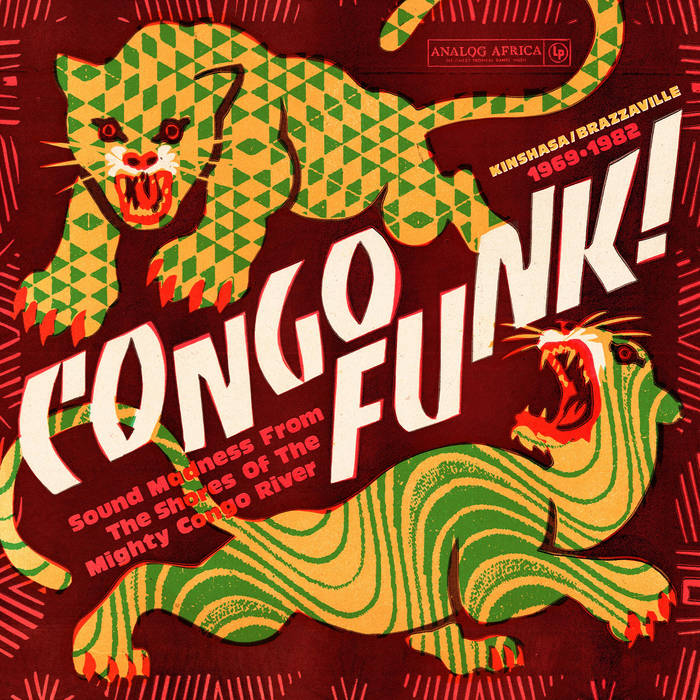
Congo Funk! - Sound Madness from the Shores of the Mighty Congo River (Kinshasa_Brazzaville 1969-1982)


The making of Congo Funk!, our long-awaited journey to the musical heart of the African continent, took the Analog Africa Team on two journeys to Kinshasa and one to Brazzaville. Selected meticulously from around 2000 songs and boiled down to 14, this compilation aims to showcase the many facets of the funky, hypnotic and schizophrenic tunes emanating from the two Congolese capitals nestled on the banks of the Congo River.

On its south shore, the city of Kinshasa – capital of Democratic Republic of the Congo, the country formerly known as Zaïre – is often seen as Africa’s musical Mecca, the city that spawned such immortal bands as African Jazz, O.K. Jazz and African Fiesta, and the place to which aspiring musicians from throughout the continent would go to make a name for themselves.

But the city of Brazzaville on the north shore of the river – capital of the Congo Republic – played an equally important role in spreading Congolese sounds continentally. In addition to producing legendary bands such as Les Bantous de la Capital, it was the powerful transmitters of Radio Brazzaville that allowed the unmistakable groove of Congolese Rumba to be heard as far away as Nairobi, Yaoundé, Luanda and Lusaka thus turning the electric guitar into the continent’s most important instrument!

Although the musical landscape of these cities had been defined by a core group of bands in the late 1950s, the modernisation of Congolese music has been steadily evolving until the events surrounding the Muhammad Ali vs George Foreman boxing match marked a turning point. The promoter of that event known as “Rumble In The Jungle” was none other than the notorious Don King who needed 10 millions dollars to get Ali and Foreman into a boxing ring. The only candidate willing to put this kind of cash on the table was Mobutu Sese Seko, President of the Democratic Republic of the Congo.

Mobutu - the megalomaniac dictator who got to power with the support of the United States and Belgium in exchange for unlimited and affordable access to the riches of the country - had a soft spot for music and it doesn’t come as a surprise that he agreed to a three-day live music festival being organised prior to the “Rumble”. Zaïre 74 - as the festival was dubbed - was meant to hype the boxing match and many stars were invited.

Although a myriads of artists flocked in for the occasion, it was the performance of James Brown on Zairian soil that caused havoc among the younger generation, inspiring hundreds of would-be musicians to take up their electric guitars and reverbs cranked to the max in search of a new sound in which hyperactive Rumba was blended with elements of psych and funk. While the results were very different from the popular music of the three Musketeers - as Tabu Ley, Franco and Verckys were known - they weren’t a complete break with tradition.

These new sounds emerged at a time when the Congolese record industry – previously dominated by European major labels – was experiencing a period of decline due to rising production costs and needed a radical change. The void was filled by dozens of entrepreneurs willing to take chances on smaller scale releases. It was the beginning of a golden age for Congolese independent record labels, and the best of them – Cover N°1, Mondenge, Editions Moninga, Super Contact – preserved the work of some of the region’s finest artists, while launching a generation of younger musicians into the spotlight.

The movement was greatly helped by legendary radio shows but it was the dynamic productions of Télé-Zaïre that set the dynamite on fire. Legend has it that TV shows were so huge that president Mobutu himself ordered RTV du Zaïre to put on daily concerts since it halted criminal activities for the duration of the evening.

Congo Funk! is the story of these sounds and labels, but most of all it is the story of two cities, separated by water but united by an indestructible groove. The fourteen songs on this double LP showcase the many facets of the Congolese capitals, and highlight the bands and artists, famous and obscure, who pushed Rumba to new heights and ultimately influenced the musical landscape of the entire continent and beyond.


1. Petelo Vicka et Son Nzazi - Sungu Lubuka 07:49
2. Groupe Minzoto Ya Zaïre - Mfuur Ma 05:00
3. M.B.T's - M.B.T's Sound 03:48
4. Abeti et les Redoutables - Musique Tshiluba 03:14
5. Trio Bydoli - Lalia 04:59
6. Tabu Ley et L'Orchestre Afrisa - Adeito 06:42 video
7. Les Bantous De La Capitale - Ngantsie Soul 08:28 video
8. Les Frères Soki et L'Orchestre Bella-Bella - Nganga 08:39 video
9. Orchestre Celi Bitshou - Tembe Na Tembe Ya Nini 07:18 video
10. Lolo et L'Orchestre O.K. Jazz - Lolo Soulfire 03:35 video
11. Zaiko Langa Langa - Femme Ne Pleure Pas 06:01
12. Orchestre O.K. Jazz - Kiwita Kumunani 03:49
13. G.O. Malebo - Fiancée Laya 05:05
14. Orchestre National Du Congo - Ah! Congo 03:17

lunes, 21 de noviembre de 2022

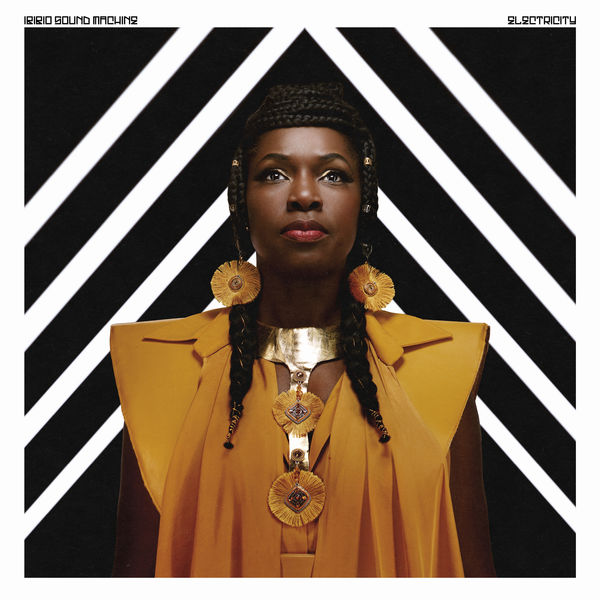
Ibibio Sound Machine - Electricity


El cuarto disco de los londinenses Ibibio Sound Machine, "Electricity", es un trabajo abierto a todo el mundo que suena como Grace Jones al frente de un combo afrobeat producido por Hot Chip. Esto último es totalmente cierto y la mano del grupo británico de synthpop se hace notar desde el principio, con esa línea de sintetizador tocada por Al Doyle en la irresistible "Protection From Evil", la canción que abre con fuerza este notable trabajo.

Pero la presencia de Hot Chip no les quita ni un ápice de individualidad a este colectivo, pocas bandas existen que sepan combinar con tanta fluidez y naturalidad estilos como ellos, el soul se mezcla con el afrobeat y el funk con el electropop igual que, en las letras, el inglés y el ibibio, la lengua materna de la cantante londinense, pero criada en Nigeria, Eno Williams.

Hay guiños a la música disco, al dub, al house o a ese genio llamado Prince, como en la canción titular, pero todo este híbrido está perfectamente aliñado por la tremenda personalidad de esta banda que ha entregado su mejor disco hasta la fecha, uno en el que han sabido combinar a la perfección sus orígenes en el funk africano de Nigeria y Camerun, combinándolos con toques de electrónica, sin olvidar la melodía. a pesar de que el ritmo sigue siendo el protagonista.https://www.mondosonoro.com/criticas/discos-musica/ibibio-sound-machine-electricity/


1. Protection From Evil 04:36
2. Electricity 04:47
3. Casio (Yak Nda Nda) 03:55
4. Afo Ken Doko Mien 04:50
5. All That You Want 04:37
6. Wanna See Your Face Again 04:26
7. 17 18 19 03:07
8. Truth No Lie 03:51
9. Oyoyo 03:01
10. Something We'll Remember 04:09
11. Almost Flying 04:07
12. Freedom 02:54

jueves, 2 de diciembre de 2021

Angelique Kidjo (1989-2019)


Desde los seis años, Kidjo formó parte del grupo de teatro de su madre, acercamiento que le permitió gozar de una precoz apreciación de la música y la danza. Se inició como cantante de apoyo en bandas locales antes crear su propio grupo en 1980. Los constantes conflictos políticos en Benín, su país natal, la obligaron a emigrar a París en 1982. Hoy es una de las cantantes en vivo más reconocidas de París. Está casada con el cantante y productor Jean Hebrail y vive actualmente en Nueva York.

Sus influencias musicales pueden encontrarse en el afropop, caribbean zouk, congolese rumba, jazz, gospel y estilos latinos; así como en sus ídolos de la infancia como son Bella Bellow, James Brown, Aretha Franklin, Jimi Hendrix, Miriam Makeba y Carlos Santana. Realizó sus propias versiones de Summertime de George Gershwin, Voodoo Child de Jimi Hendrix, Gimme Shelter de los Rolling Stones y colaboró con Dave Matthews, Kelly Price, Branford Marsalis, Robbie Nevil, Carlos Santana y Cassandra Wilson. Sus canciones más reconocidas son Agolo, Ayé, y Batonga.

En febrero de 2003 interpretó un cover de la canción Voodoo Child (Slight Return) de Jimi Hendrix en la famosa emisora Radio City Music Hall de Nueva York junto con la leyenda del blues Buddy Guy y el guitarrista de Living Colour, Vernon Reid. El tema formaría luego parte del documental de Martin Scorsese Lightning In A Bottle: One Night In The History Of The Blues, acerca de la música blues y con la participación de grandes figuras del rock, del rap y del blues.

Angelique Kidjo presentó su álbum Djin Djin el 1 de mayo de 2007. En el mismo aparecen invitados de la talla de Josh Groban, Carlos Santana, Alicia Keys, Joss Stone, Peter Gabriel, Amadou and Mariam, Ziggy Marley y Branford Marsalis. El título Djin Djin hace referencia al sonido de una campana que suena en África al iniciarse cada nuevo día. El disco fue producido por Tony Visconti, conocido por sus trabajos con David Bowie, Morrissey y T. Rex, entre otros. También ha destacado por la interpretación de una de sus piezas musicales en el sorteo para la Copa Mundial de la FIFA en Sudáfrica 2010.


1989 Parakou (34:29)
1991 Logozo (40:39)
1994 Agolo (single) (29:04)
1994 Aye (46:53)
1996 Fifa (43:48)
1998 Oremi (52:03)
1998 Voodoo Child (Slight Return) (EP, 21:07)
2001 Keep on Moving. The Best of Angelique Kidjo (1:14:10)
2002 Black Ivory Soul (46:17)
2004 Oyaya! (49:47)
2004 Oyaya! (France Version) (53:19)
2007 Djin Djin (59:23)
2010 Oyo (51:44)
2012 Spirit Rising (1:05:22)
2014 Eve (44:53)
2015 Sings (& Orchestre Philharmonique du Luxembourg) (41:33)
2018 Remain in Light (36:24)
2019 Celia (36:25)

sábado, 6 de marzo de 2021

Nigeria 70 - The definitive story of 1970's funky lagos


Nigeria 70 starts with Monomono's "Loma Da Nigbehin", where the groove is stepped up, the rhythm guitar emphasized, the percussion denser yet livelier, the horn and organ solos heavier-- all developments created in the wake of Fela's revolution in militant funk. Afrobeat in that familiar vein is widely covered here, both inside and outside of the Kalakuta Republic. Two of Fela's greatest Africa '70-era recordings appear in "Upside Down" and "Jeun Ko Ku (Chop 'n' Quench)", while Afrobeat's rhythmic architect and Africa '70 alumnus Tony Allen is represented by his glimmering 1980 recording "No Discrimination". And many of the highlights from less-famous musicians-- Peter King's "Shango"; Orlando Julius Ekemode's "Alo Mi Alo"; Afro Cult Foundation's "The Quest"-- take Kuti's sounds and tweak them playfully until they become a bit more concise or abstract. Trending NowThe One Song Devendra Banhart Wishes He Wrote

But what makes Nigeria 70 particularly compelling is its sonic diversity. Anyone expecting two and a half hours of music that sounds directly informed by Fela might be surprised to find out just how many musicians saw his music as a starting point than the sum of their sound. There's nods to psychedelic rock, both heavily fuzzed-out (Ofo & the Black Company's stomping, wailing "Allah Wakbarr") and Deadhead-friendly mellow (BLO's eerily beautiful reverie "Chant to Mother Earth"). A few forays into the late 1970s and early 80s note a disco influence that informs cuts like Joni Haastrup's 1977 song "Greetings" and Shina Williams & His African Percussionists' 1984 electro-funk workout "Agboju Logun" without removing their Afrobeat backbone. And if you're wondering how Parliament-Funkadelic was received in Nigeria, William Onyeabor's 1978 anti-imperialist synthesizer opus "Better Change Your Mind" is an intriguing hint. You could while away some time trying to figure out just how much or how little of it came from black music in America, and how much of black music in America actually owed to these sounds in the first place-- as cross-cultural development of pop music goes, the Nigerian sound is fascinatingly tangled. And now, even after the West African reissue glut of 2008, Nigeria 70 still sounds illuminating.

Strut reprime una de las compilaciones clásicas de todos los tiempos de Afro-funk y Afrobeat para 2016, el primer volumen de la poderosa serie Nigeria 70. Lanzado originalmente en 2001, el álbum siguió a la muerte de Fela Kuti y un interés renovado en Afrobeat original entre los asistentes más jóvenes al club. Realizado durante un viaje de tres semanas a Lagos, documentó por primera vez la época explosiva en la que las bandas nacionales fusionaron el highlife tradicional y el juju con el funk, el soul, el rock y la música disco. Junto a dos cortes de Fela Kuti, Nigeria 70 destacó la increíble musicalidad de artistas como Segun Bucknor, Joni Haastrup y su banda Monomono, Orlando Julius, el saxofonista Peter King, "Guitar Boy" Victor Uwaifo, Lijadu Sisters y el estrafalario mago del teclado William Onyeabor entre muchos otros. Repartida en 3 LP, la edición original también incluyó un documental de audio de una hora con entrevistas exclusivas con muchos músicos originales y figuras de la industria de la escena de los 70, narradas por Wunmi. Además de ser un documento valioso de una era infravalorada, Nigeria 70 fue uno de los primeros álbumes cruzados en profundizar en los archivos de música africana y comercializar de manera efectiva la música a una nueva audiencia en línea hambrienta de ritmos raros y sonidos únicos de la pista de baile. Desde Nigeria 70, este mercado se ha ampliado enormemente con sellos como Soundway, Analog Africa y Hot Casa, todos trabajando incansablemente para documentar los raros ritmos africanos. Esta nueva edición del conjunto Nigeria 70 3LP está limitada a 500 copias y presenta la versión completa en CD y el documental de audio en CD como un bono dentro del paquete. También se presentan obras de arte completas, incluido el extenso historial de notas de portada de John Armstrong junto con fotos raras.


DISCO 1
1 Tire Loma Da Nigbehin Monomono 00:04:46
2 Chant To Mother Earth BLO 00:06:07
3 Jeun Ko Ku (Chop 'N' Quench) Fela Ransome Kuti & The Africa 70 00:07:14
4 Ifa Tunji Oyelana & The Benders 00:05:00
5 Ikon Allah Bala Miller & The Great Music Pirameeds Of Afrika 00:05:46
6 La La La Segun Bucknor & His Revolution 00:03:29
7 Shango Peter King 00:05:39
8 No Discrimination Tony Allen & His Afro Messengers 00:08:19
9 Akuyan Ekassa Sir Victor Uwaifo & His Melody Maestroes 00:03:10
10 Better Change Your Mind William Onyeabor 00:08:24
11 Woman Made The Devil Bongos Ikwue 00:04:10


DISC 2
1 Alo Mi Alo (Parts 1 & 2) Orlando Julius & The Afro Sounders 00:08:04
2 Allah Wakbarr Ofo The Black Company 00:03:30
3 Enjoy Yourself Sahara All Stars Band Jos 00:05:59
4 Dancing Time The Funkees 00:03:19
5 The Quest Afro Cult Foundation 00:08:10
6 Greetings Joni Haastrup 00:06:13
7 Kita Kita Gasper Lawal 00:06:01
8 Orere Elejigbo Lijadu Sisters 00:04:14
9 Upside Down Fela Anikulapo Kuti & The Africa 70 with Sandra Akanke Isidore 00:14:42
10 Agboju Logun Shina Williams & His African Percussionists 00:11:34
11 Ja Fun Mi Instrumental Sunny Ade & His African Beats 00:07:13


martes, 25 de diciembre de 2018

Soul of a Nation 2 - Jazz is the Teacher, Funk is the Preacher: Afro-Centric Jazz, Street Funk and the Roots of Rap in the Black Power Era 1969-75


El nuevo lanzamiento de Soul Jazz Records 'Soul of A Nation: Jazz is the Teacher, Funk is the Preacher' es una nueva y poderosa colección de jazz radical, street funk y proto-rap hecha en la era de Black Power (1969-75).

Este es el segundo álbum 'Soul of A Nation' lanzado por Soul Jazz Records que coincide con la exposición 'Soul of a Nation - El arte en la era del poder negro', aclamada por la crítica y enormemente exitosa cuando se inauguró en la Tate Modern de Londres. el año pasado (como lo era el primer álbum de Soul Jazz Records, 'Soul of A Nation - Afro-Centric Visions in the Age of Black Power 1968-79'). La exitosa exposición internacional se encuentra ahora en el Museo de Brooklyn, Nueva York, y luego viaja a Los Ángeles en 2019.

Este nuevo álbum presenta una serie de artistas afroamericanos importantes e innovadores: The Art Ensemble of Chicago, Don Cherry, Funkadelic, Gil Scott-Heron y más, junto a una serie de artistas menos conocidos, todos ellos a principios de los años setenta. exploraban nuevos estilos de música polirrítmica afrocéntrica, jazz radical, funk callejero y proto-rap, mientras que al mismo tiempo exploraban Black Power y los derechos civiles inspiraban nociones de autodefinición, autoestima y autodominación en sus propias vidas

Durante esta era, los músicos de jazz afroamericanos rompieron las definiciones tradicionales, rechazando el término "artista" para redefinirse a sí mismos como "artistas". Trabajaron fuera de la industria de la música convencional, percibiendo que esta relación artística era fundamentalmente explotadora y políticamente defectuosa. Los artistas, en cambio, formaron sus propios colectivos centrados en la comunidad, crearon sus propios sellos discográficos, organizaron conciertos en espacios de espectáculos alternativos (galerías de arte, parques, lofts, centros comunitarios), todo ello como una forma de tomar el control de sus propios destinos creativos.

A comienzos de la década de 1960, los músicos de jazz se habían embarcado en un intenso período de experimentación musical cuando los artistas John Coltrane, Ornette Coleman y Don Cherry intentaron desmantelar las definiciones tradicionales de jazz mediante la creación de nueva música que se liberó de sus ataduras. A fines de la década de 1960, los músicos de jazz afroamericanos con visión de futuro habían absorbido las ideas de este camino radical y vanguardista, pero también comenzaron a introducir muchos elementos nuevos, no solo los conceptos de libertad de los derechos civiles sino también las ideas de poder del poder negro. - Respeto, justicia y enojo.

Su música se convirtió en una mezcla afrocéntrica radical e intensa de jazz, funk, soul y poesía callejera, todo en busca de un nuevo lenguaje musical que pudiera representar mejor la expresión artística afroamericana de la cultura.

Todos los artistas destacados aquí participaron en esta búsqueda de diferentes maneras; Un sentido compartido de colectivismo afrocéntrico se unió a los puntos entre el profundo experimentalismo vanguardista de The Art Ensemble of Chicago (aquí presentaba a la cantante de soul Fontella Bass cantando el poderoso ‘Theme de Yoyo’) a la psicodelia hiper funk del Funkadelic de George Clinton.

La poesía de Gil Scott-Heron y Sarah Webster Fabio interpretada con un fondo de funk callejero y percusión de peso pesado estableció la plantilla para el nacimiento del rap. El Har-You Percussion Group, un grupo de jóvenes adolescentes de Harlem, mostró cómo las iniciativas sociales patrocinadas por el gobierno ayudaron a crear un gran arte y música. Gary Bartz y The Oneness of Juju ofrecen espiritualidad y cosmología. Los colectivos como The Pharaohs y la Tribu de Detroit añaden el jazz profundo y el funk callejero en igual medida. Y así.

Influenciados y radicalizados por Black Power y los derechos civiles, todos estos artistas participaron en la creación, en palabras del Art Ensemble of Chicago, "Great Black Music: Ancient to Future".


https://soundsoftheuniverse.com/sjr/product/bwnfhjbfq


1 Theme De Yoyo de Art Ensemble of Chicago 9:03
2 Welcome To The Party de The Har-You Percussion Group 4:02
3 Damballa de The Pharaohs 7:57
4 Hard Times de Baby Huey 3:20
5 Sweet Power, Your Embrace de James Mason 5:27
6 Kitty Bey de Byron Morris and Unity 12:25
7 Nappy Dugout de Funkadelic 4:37
8 Exchange, Pt. 2 de Rashied Ali & Frank Lowe 6:15
9 Celestial Blues de Gary Bartz Ntu Troop 7:34
10 Space Jungle Funk de Oneness of Juju 9:50
11 Work It Out de Sarah Webster Fabio 2:48
12 Beneficient de Tribe (Wendell Harrison & Philip Ranelin) 7:03
13 Whitey on the Moon de Gil Scott-Heron 2:01
14 Brown Rice de Don Cherry 5:15


domingo, 21 de octubre de 2018

Bixiga 70 - Quebra Cabeça


São Paulo’s acclaimed 10-piece instrumental collective return for their 4th album. Urban Afro-Brazilian grooves, empowered horn-driven melodicism and massive dance floor inspiration.
One of South America’s most exhilarating musical propositions.

Almost four centuries after the first slave ships loaded their cargoes and set sail, the connection between Brazil and West Africa remains firm and deep. It was African slaves who created the culture of Brazil in all its sorrows and its joys, and those memories have flowed down through the generations. Africa is everywhere in Brazil, and it pulses through the music on Quebra Cabeça (Puzzle), Bixiga 70’s second studio album for Glitterbeat, where two continents dance together across the black Atlantic.

“From the very beginning, what we have always had in common is African-Brazilian music,” explains baritone sax player and flautist Cuca Ferreira. ‘Some of us come from candomblé (the African-Caribbean religion), others from jazz, reggae, dub, everything. The whole idea of the band has been to take all these different elements that form us, from Africa and Brazil, and create a hybrid from them.”

With Quebra Cabeça, that hybrid has taken on a slightly different form. As Ferreira notes, this time Bixiga 70’s music “is more complex. We worked harder on the compositions than in the past, spent more time on them. Each song has a lot of different parts, they can seem like a journey.”

That’s apparent in the shifts and turns of a piece like “Pedra De Raio” or “Levante,” where the melody shifts and swerves, one section flowing naturally into the next, adding layer upon layer to create something astonishing and utterly satisfying in its power. In large part, this change has come from the band’s relentless touring over the last few years.

“We’ve been exposed to so much,” Ferreira notes. “So many of the people we’ve played with have had an impact on us, like Pat Thomas, the Ghanaian highlife singer or [Nigerian saxophonist] Orlando Julius. And then we toured and recorded with João Donato. He’s over 80 now and still playing piano, one of the icons of Brazilian music. We’ve learned from them all, they’ve made us think about what we can do with our music. Those new ideas have found their way into this album.”

One result is the new, shining lyricism of the melodies, with the horns pushed even more to the fore, parading around with a singer’s swagger.

“We want people to relate to our melodies, to take the line a vocalist might use and play it on the horns. Sometimes in instrumental music, the players are so good it ends up putting the listener at a distance. We make music as a celebration, a way to connect and bring some joy. We want to draw them in. We try to write something very memorable.”

And Quebra Cabeça is a very memorable set of hummable earworms, from the title cut that opens up the album and continuing, sinewy and cool and relentless, all the way to the final note of “Portal.”

Throughout though, the heartbeat of everything remains utterly African, refracted through the prism of the band’s home in the Bixiga neighbourhood of São Paulo. “What we put on top of that is essentially urban São Paulo music. This city has been a huge influence on us. It has that sense of urgency, always running to catch up. It’s expensive, and services are awful, with so much pollution and violence. But it’s our home and it was developed through immigration. Bixiga is where people come first of all. It’s always had that influx; it’s the story of São Paulo in miniature.”

And Bixiga 70 has always been a reflection of the streets where they live. The band played their first show in October 2010 and released their debut album a year later. Eight years on they are still the same 10-piece collective, honing and shaping the music, evolving towards the changes found on Quebra Cabeça.

“We knew we wanted this record to be different. Our other three albums were all recorded live in the studio, because we’re more of a live band, the stage is our habitat. This time we decided to use the studio to experiment with arrangements and voicings. We began composing in early 2017. It took us a year to write everything, then we began recording in May this year. And for the first time we used a co-producer, Gustavo Lenza (Céu, Marisa Monte). He was a friend even before we formed the band, but it recent years he’s become a very big producer in Brazil.”

The result still captures the incendiary excitement of Bixiga 70 live, but the freedom of the studio brings more shade and subtlety than before. The rhythms are more sinuous than ever, snaking through the funk in way that looks more to Ghana or Nigeria than Memphis or Muscle Shoals, while the horns strut in powerful harmonies. It’s music that forges connections and retraces history while sounding absolutely contemporary. But for Bixiga 70, African will always be the root, and Brazil its beautiful, vibrant flower.
credits
released October 12, 2018

https://bixiga-70.bandcamp.com/album/quebra-cabe-a


1. Quebra Cabeça 05:00 
2. Ilha Vizinha 05:46 
3. Pedra de Raio 05:32 4. 
4 Cantos 05:25 
5. Areia 03:41 
6. Ladeira 03:57 
7. Levante 05:14 
8. Primeiramente 04:26 
9. Torre 04:17 
10. Camelo 05:35 
11. Portal 05:58 

sábado, 20 de enero de 2018

Gili Yalo - Gili Yalo


Tiene 36 años, nació cerca de Gondar, en Etiopía, y vive en Tel Aviv, en Israel. Como tantos otros niños de la diáspora etíope, tuvo que hacer un largo camino hacia el exilio. Cuando tenía 4 años, sus padres se aventuraron a salir de Etiopía en la famosa Operación Moisés, un rescate secreto del Mossat, el servicio de inteligencia israelí, que evacuó cerca de 8.000 etíopes a través de un prolongado viaje por Sudán para subir a vuelos secretos que salieron desde Jartúm. Hoy, Gili Yalo es uno de los nombres de la escena musical emergente de Israel, y sus raíces etíopes juegan un fuerte papel en su sonido, que ha vuelto a recuperar en su recién retorno al país que lo vio nacer. Con él estuvimos durante el último Gibraltar World Music Festival, y pudimos conocer más sobre este artista, tanto como sobre los falashas, o etíopes judíos.  

MAS AQUI BIOGRAFIA


 RIP VINILO

A
A1 Tadese 2:53
A2 Selam 3:50
A3 Sab Sam 4:40
A4 Africa 4:58
A5 Hot Shot 3:28

B
B1 Coffee 4:56
B2 City Life 4:05
B3 Fire 3:51
B4 Tebik'Ew 4:57
B5 New Life 3:37


miércoles, 17 de enero de 2018

Boncana Maïga - Koyma Hondo


he Afro Funk side of the Latin Soul maestro !

Born in Gao ( Mali), Boncana Maïga is one of the most talented and popular producer of west african music since the 60’s. He studied flute and latin arrangements in Cuba during the 60’s and founded the famous « Les Maravillas du Mali » in 1968.

He became orchestra leader for the national ivorian tv in Abidjan in the mid seventies, toured all over the world with the famous Africando band.

During his recording sessions in NYC at the beginning of the 80’s with a lot of « Latin musicians » from Puerto Rico, Venezuela or Colombia, Boncana Maïga also recorded few rare Funky tracks with heavy breaks !With the artist, we decided to reissue four rare tracks from 1978 to 1982 dedicated to dancefloor , included a really rare soundtrack for the oil company of Ivory Coast called « Petroci ».

In 2018, he’ll be back on tour with « Les maravillas du Mali « , still have a weekly TV show on TV 5 Monde and with this reissue will continue to warm your Afro Funk parties !


Side A

– Koyma Hondo ( 3.58)
– Zourou ( 4.16)

Side B

– Yala M’le ( 4.28)
– Petroci ( 2.23)